 Eden & Dane
The Farmette
Project
A 5.8-acre regenerative estate in Great Falls, Virginia. A whole-systems design, phased installation, and a roadmap toward a productive, self-reliant landscape that pays back for a generation.
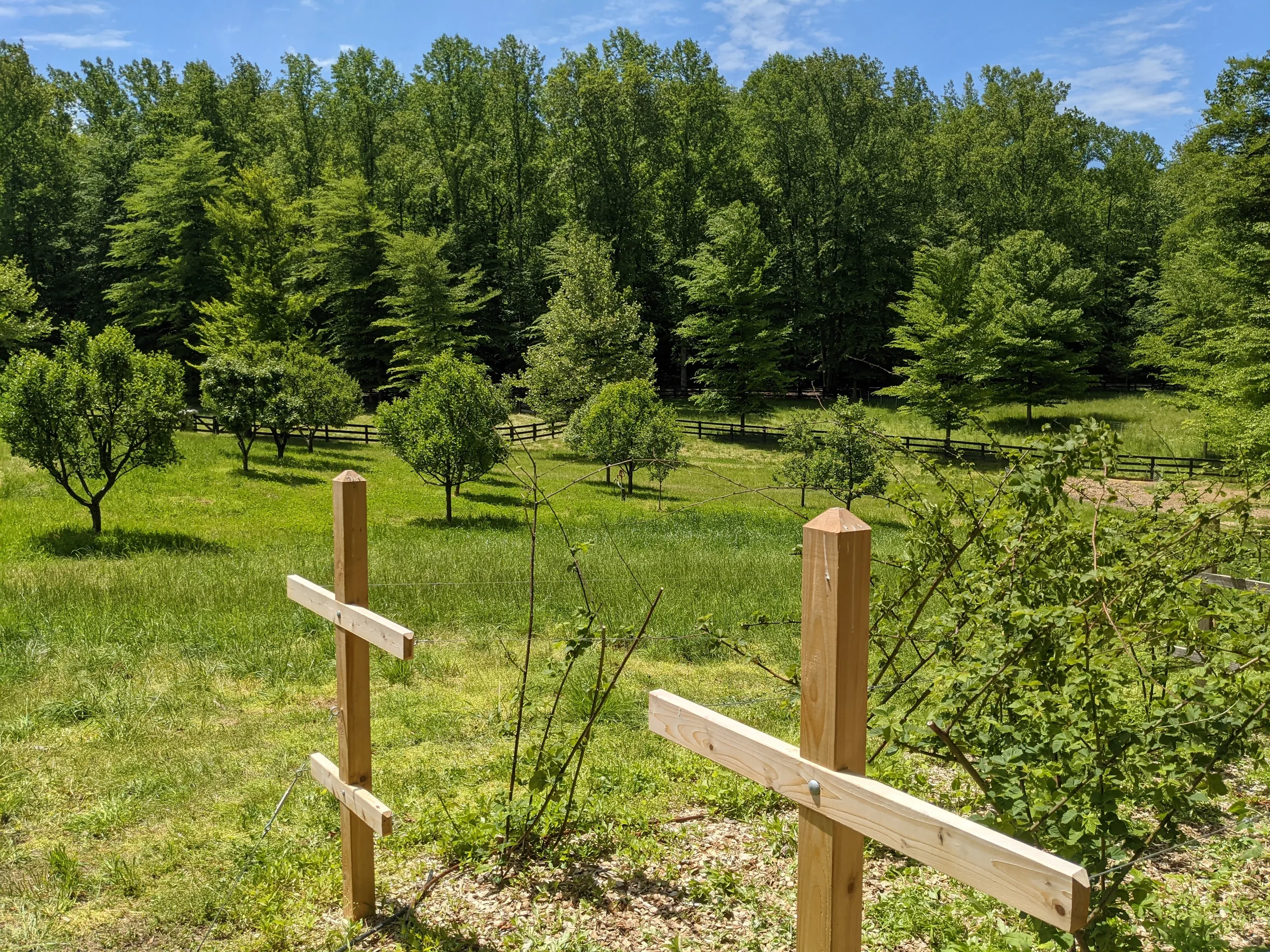
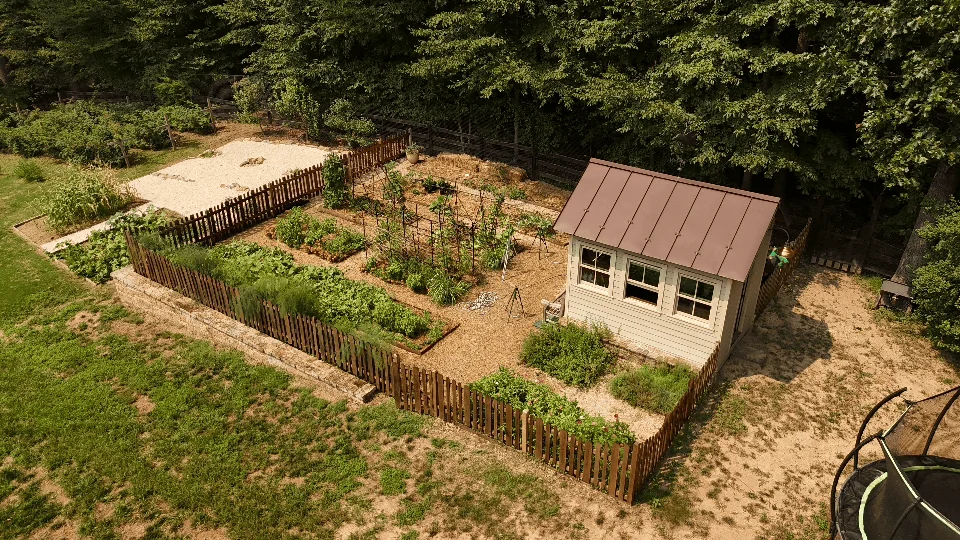
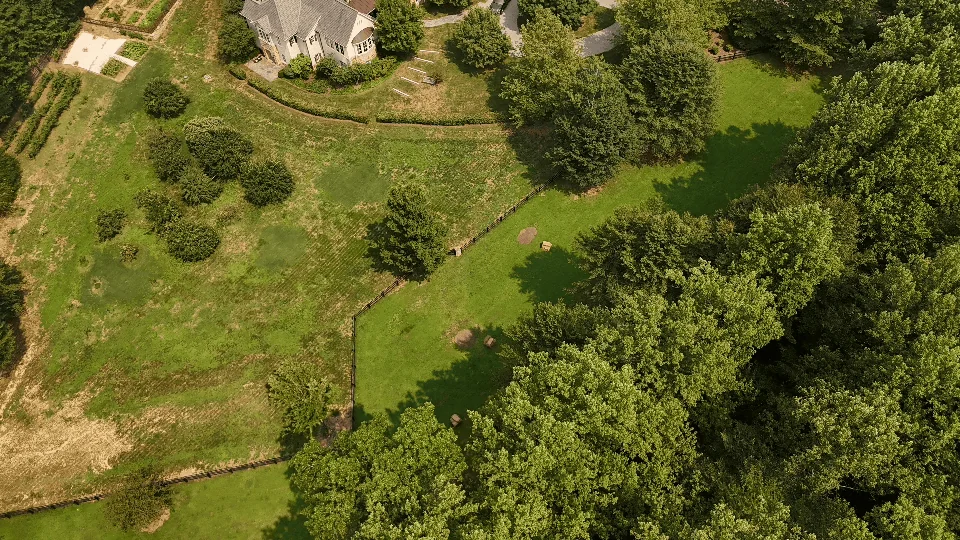
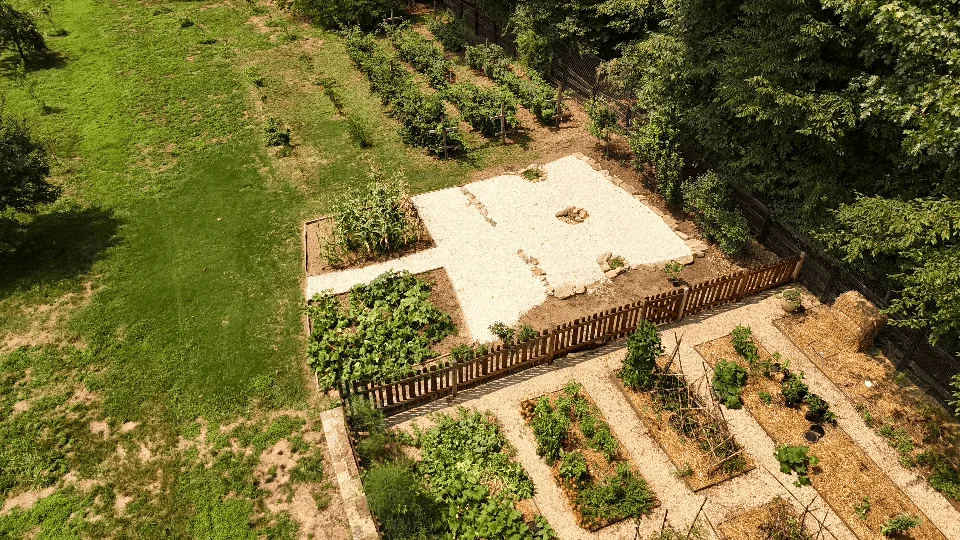
The property, in person.


A working landscape that pays you back.
Eden and Dane reads a property at every level - soil, water, sun, structures, and tax position - then builds from the ground up. The Farmette pairs an existing apple orchard and barn with new orchard guilds, a native meadow, a duck pond, and a rainwater network, sequenced to capture every available conservation incentive along the way.
What we are
building on.
A mature site with strong bones: an established apple orchard, reliable water, productive beds, and working farm structures - all underused. The design enhances what exists before it adds anything new.
- Production40 tree orchard, 50+ perennial vegetables, 12 chickens, 2 apiariesExisting 13 apple + 27 new: peach, pear, cherry, plum, apricot, persimmon, yuzu, and more
- Berry PatchOver 30 different kinds of berries, mostly native, all tasty
- Garden BedsOver 50 kinds of perennial and annual food bearing crops for successional harvesting
- Livestock12 laying hensBuff Orpington, Barred Rock, Ameraucana - plus planned ducks, sheep, and ponies
- Apiary2 hives, honeybees and mason bees, with more on the way
- StructuresBarn (~1,120 sq ft roof), chicken coop, existing fencing
- WaterWell water, plus ~30k gal/yr catchment potentialSwale and water capture routed to orchard and coop
Five zones, by frequency of use.
The property is organized in descending order of human interaction, so daily systems sit closest to the house and low-input, long-cycle systems extend to the edges.
From 13 trees to a 40-tree food forest.
The existing apple block is expanded into a 40-tree food forest, with 27 new fruit and nut trees and a full understory guild planted around each. Citrus and tea species are sited in the warmest microclimates; natives anchor the meadow.
Already strong. Stronger by design.
The biggest upside on the property.
The land as a financial asset.
Beyond the harvest, the design is sequenced to capture cost-share reimbursements and conservation tax positions that most landscapes leave on the table.
*Tax figures are preliminary estimates and depend on a formal appraisal and legal structuring. Eden and Dane is not a law or accounting firm; conservation-easement and entity decisions should be confirmed with a qualified attorney and CPA.
What it all tastes like.
A productive landscape is only worth it if the kitchen uses it. A primer on the less-familiar species and how to cook with them.
Pioneer, creep, leap.
- 2026EstablishInstall the orchard expansion, garden perennials, and drip irrigation. Improve the coop and apiary. Stand up the farm entity and farm stand. Implement the conservation easement and Section 179 strategy mid-year; sow cover crops in fall.
- 2027ExpandAssess and grow the apiary, add a second hive type, and apply the conservation-easement income-tax credit. Evaluate solar. Perennials begin to creep and fill in.
- 2028LeapPerennials grow rapidly and the native meadow is firmly established. The system shifts from installation toward monitoring and harvest-first management.
- 2030+MatureNew trees reach maturity. The landscape produces well over 1,500 lbs of food per year and runs largely on autopilot.
Ready to move forward?
Schedule a 15-minute call to discuss phasing, timing, and what comes next for the property.
Book a discovery call →