 Eden & Dane
Gardens designed
to compose.
Estate-scale gardens that read as composed landscapes rather than collected plantings. Structured by year-round form, layered for succession, and planted to mature into something inherited.
Gardens that grow into
themselves.
Most residential gardens are assembled. A few favored plants, a seasonal annual layer, a row of foundation shrubs. They peak in one moment and then quietly decline through the rest of the year.
An Eden & Dane garden is composed. We start with structural bones, layer in succession so something is alive in every month, weave edible and ornamental together when the property invites it, and design every planting with a fifteen-year horizon in mind.
The result is a garden that looks intentional in every season, becomes more itself with each passing year, and requires less maintenance as it matures rather than more.
We design. We oversee installation with our trusted crews for properties in the DMV. For other regions, we collaborate remotely with your local installer through detailed plans, plant lists, and stage-by-stage guidance.
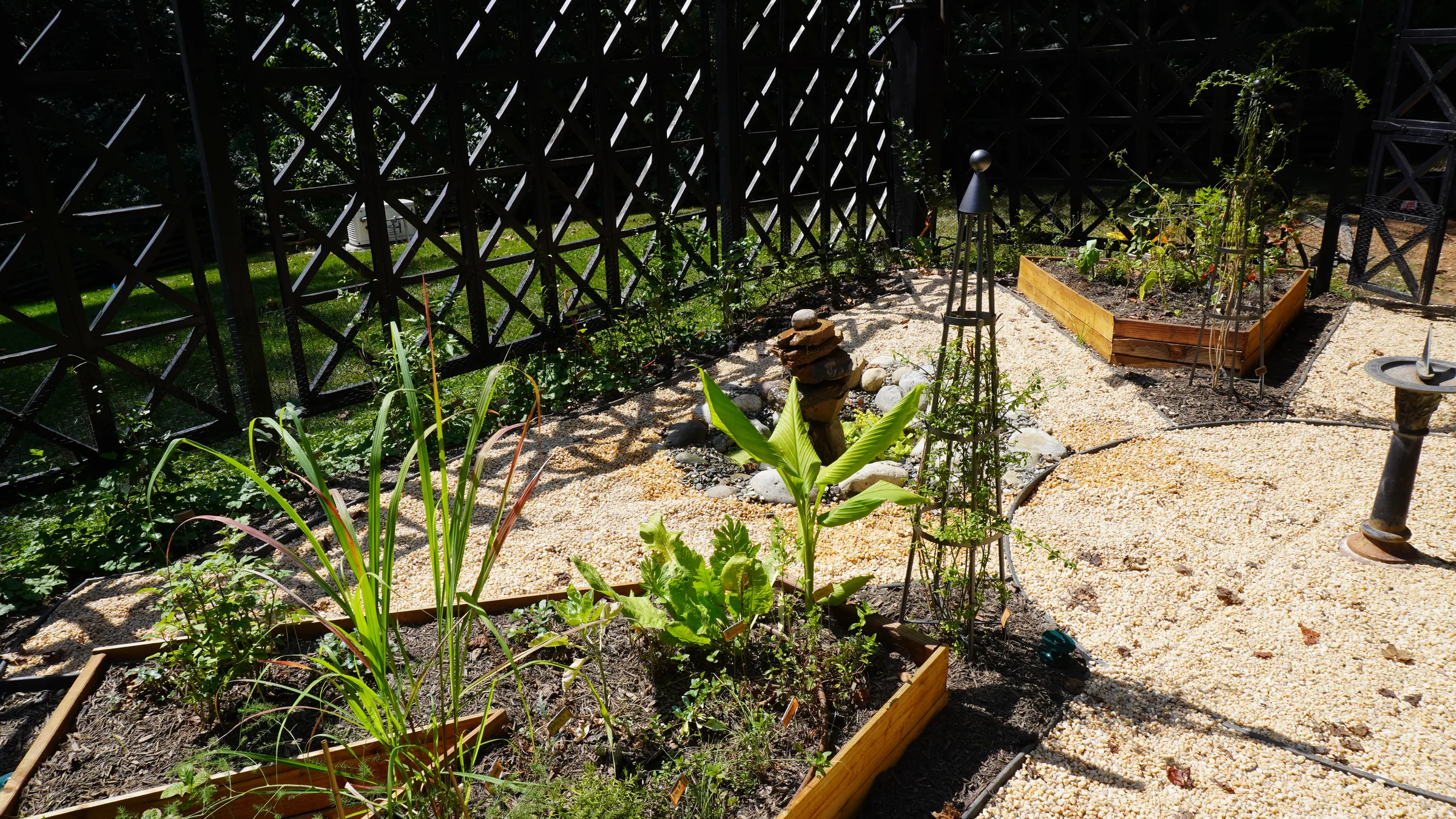
What a garden actually looks like.
Raised beds and perennial borders composed within a formal structure. The garden as an expression of the land's character rather than a maintenance burden.
Four principles behind every garden.
Structure first.
Every garden begins with structural form - hedge lines, specimen trees, evergreen anchors, repeated geometry. The composition holds the garden together in February as much as in June, and gives the seasonal layers something permanent to play against.
Something alive each month.
We design the planting calendar in advance. Bulbs into hellebores into peonies into salvias into asters into ornamental grasses. Each month has its own quiet drama. The garden never goes blank.
Ornamental and useful.
Fig trees, currants, espalier pears, and herb borders sit alongside the ornamental layer rather than fenced off behind it. The kitchen garden reads as part of the composition, not a utilitarian afterthought.
Designed for the long arc.
We plant for what the garden will be in ten and twenty years, not for what looks finished on install day. Spacing, sequencing, and soil work all assume the garden is going to outlive the install.
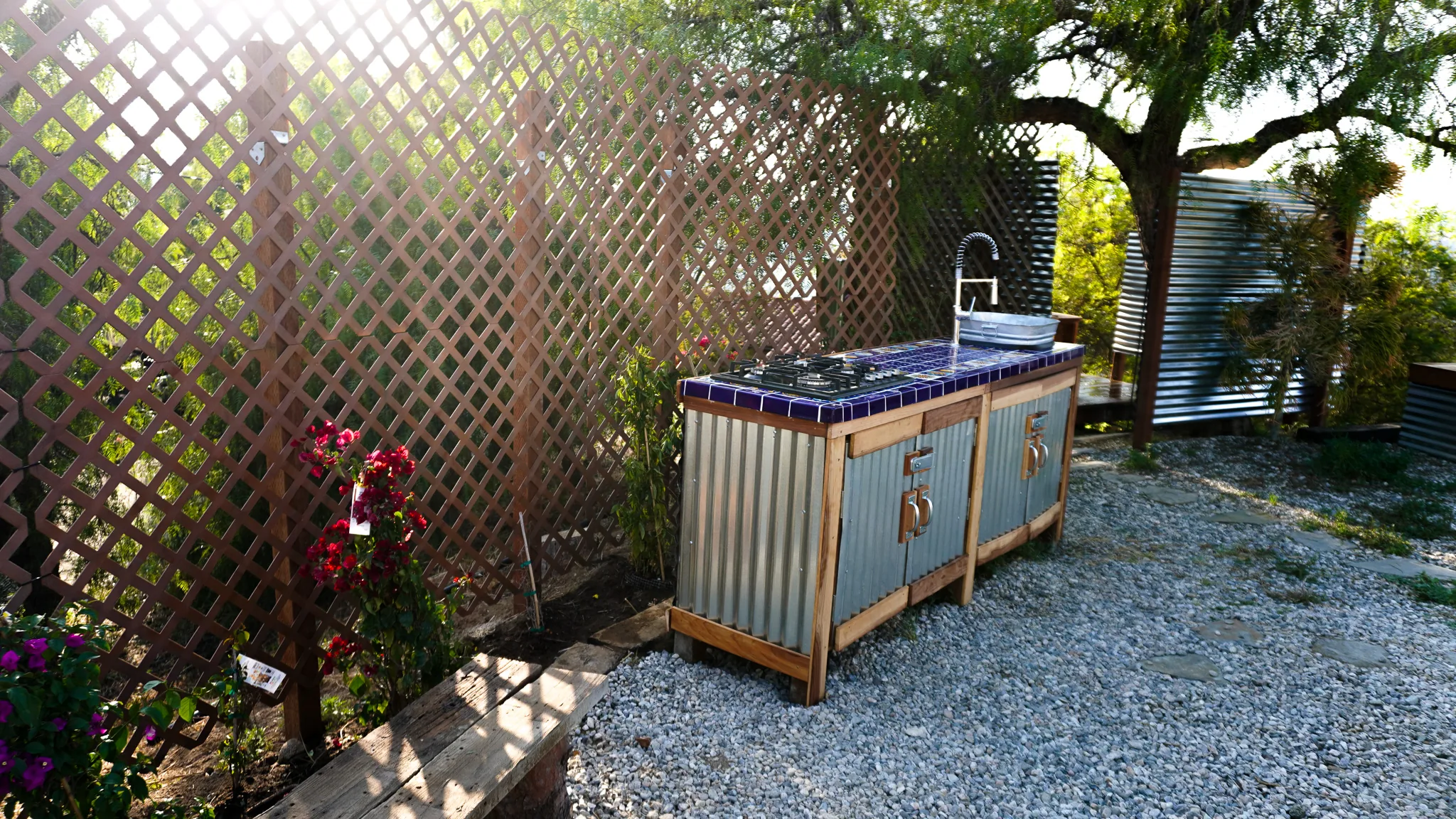
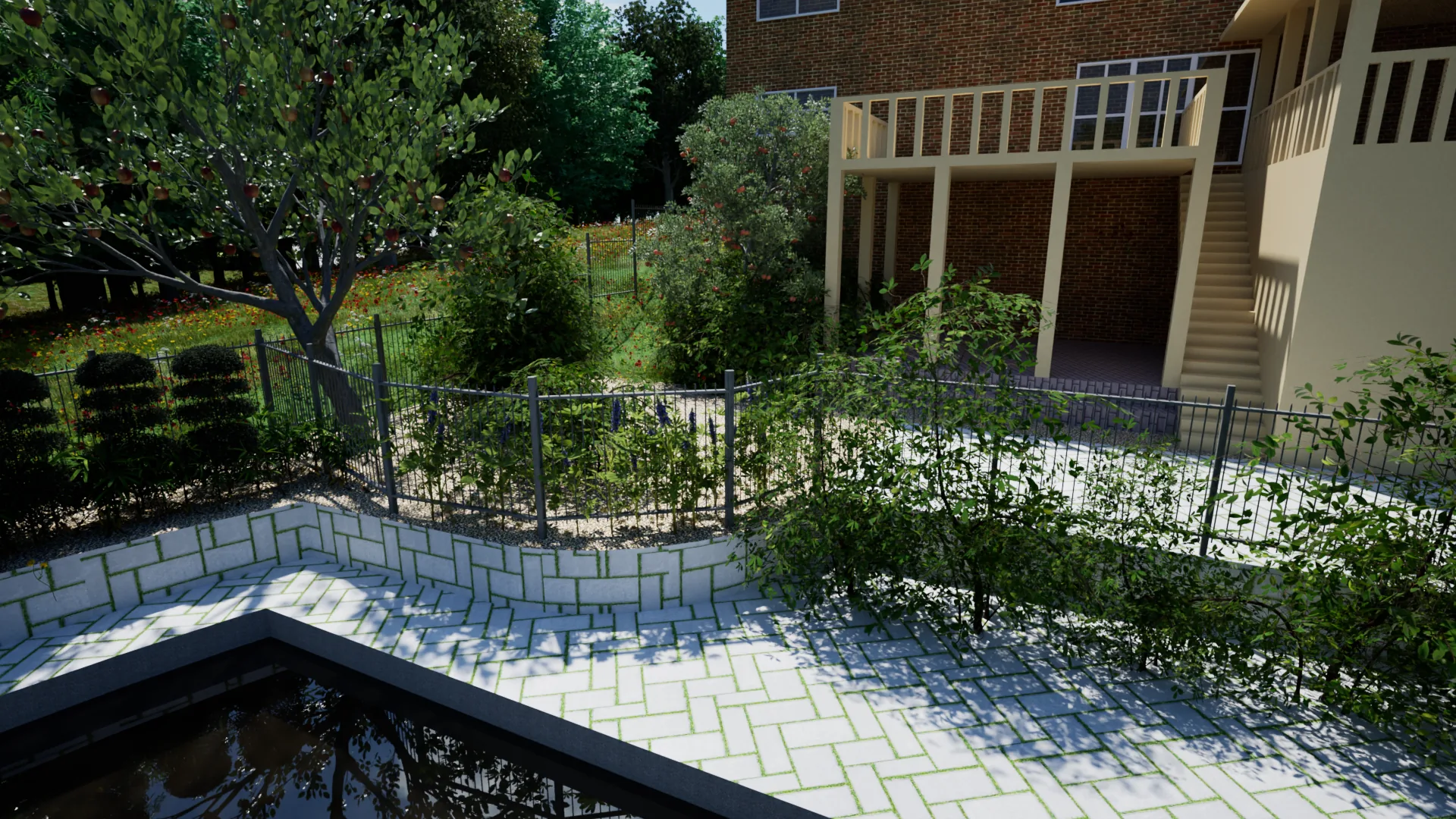
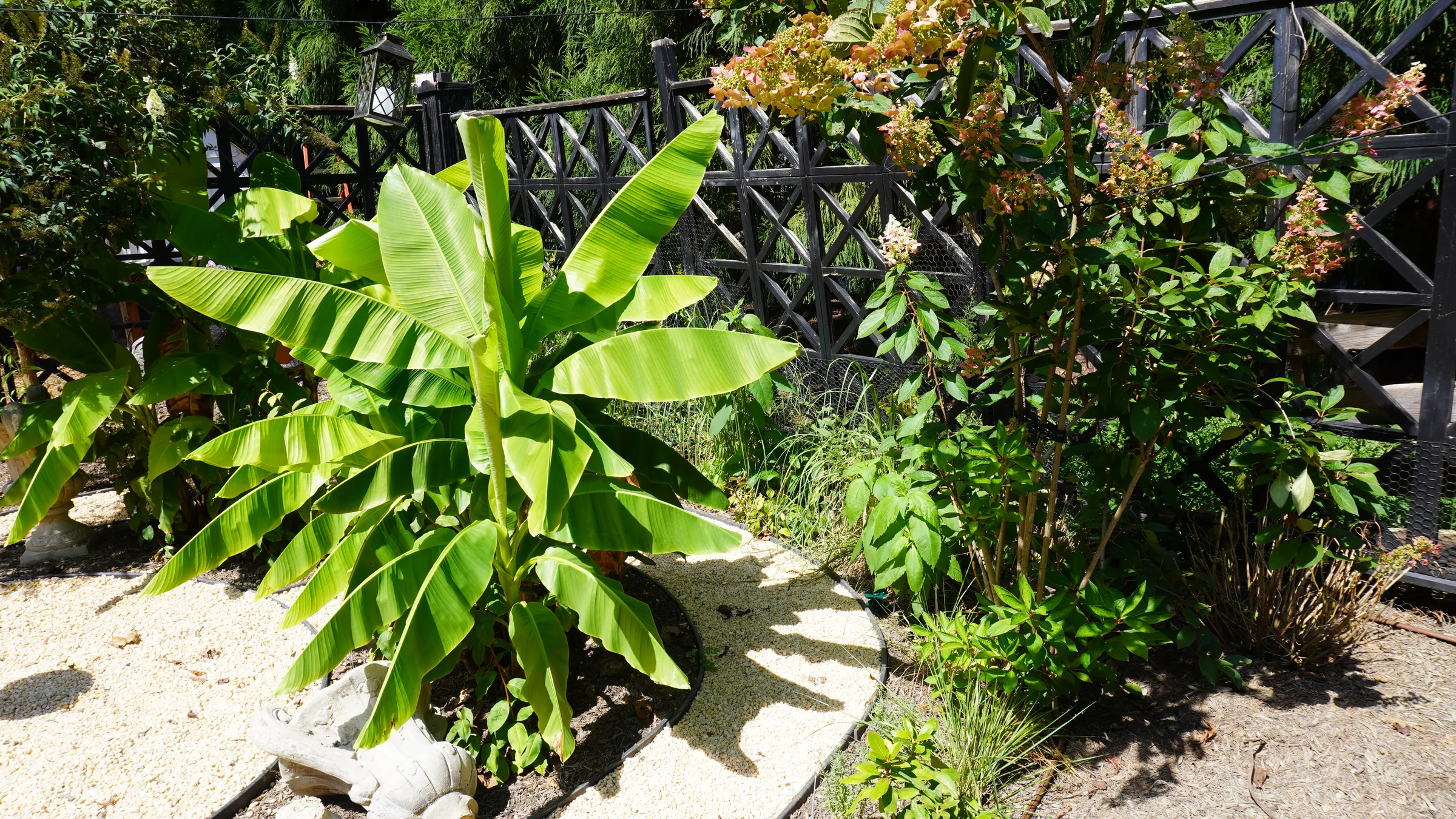
Three things that make these different.
Designed, not assembled.
Every plant choice answers to the larger composition. There are no impulse picks from the nursery, no leftover annuals from last year's project. The garden reads as one intentional thing.
Less work as it matures.
A garden composed correctly does not need more hands each year. It needs fewer. Right plant in right place, properly mulched and structured, becomes self-sustaining as the canopy fills in.
Quiet, compounding value.
Mature, composed gardens are one of the few site improvements that appraise positively and read instantly as an estate-class property. Done correctly, they appreciate alongside the architecture.
A garden that composes
your land.
Begin with a 15-minute discovery call. We will talk about the land, the architecture, and the garden you wish was already there.
Book your discovery call