Bringing the
garden indoors.
Living walls, conservatories, biophilic interior plant programs, and specified houseplant curation. The landscape continues through the architecture rather than stopping at the door.
Interiors that are
planted, not
decorated.
Most interior plants are afterthoughts - a fiddle leaf fig in the corner, some succulents on a shelf, a couple of orchids that die by the third month. They look like decor rather than landscape.
Eden & Dane treats interior plant programs the same way we treat exterior ones: as composed design with structural bones, layered species, and an aesthetic vocabulary tuned to the architecture. Living walls become architectural features. Conservatories extend the garden through glass. Plant programs for new construction read as specified design choices rather than retail purchases.
The result is an interior that belongs to the same design intelligence as the outdoor landscape, where the threshold between inside and outside softens, and where the plants actually thrive because they were chosen for the architecture's light, humidity, and use patterns.
We specify, source, and install. For ongoing care, we either provide our own maintenance protocols or partner with vetted interior plant specialists who maintain to our standards.
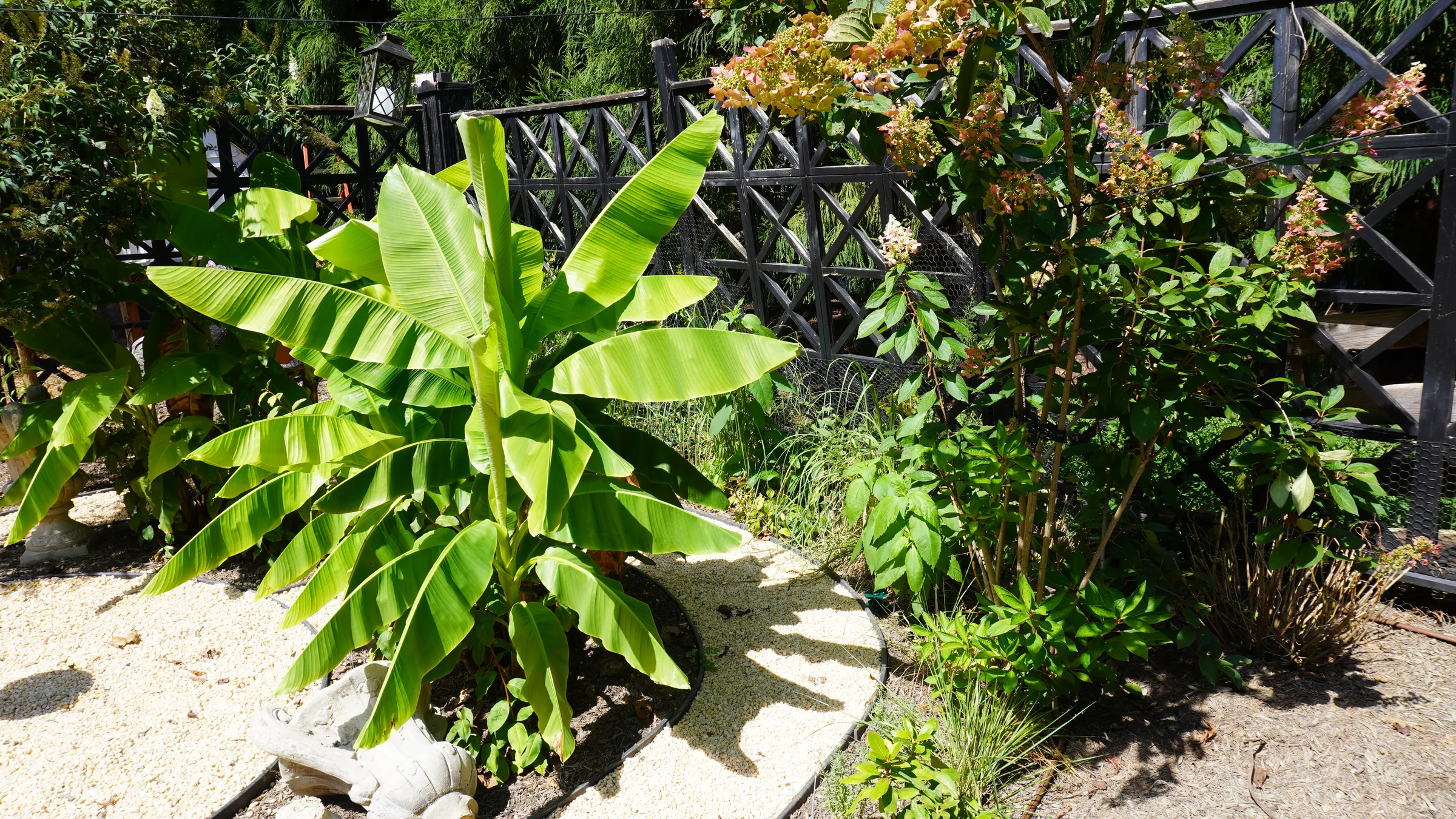
Where the garden continues.
Living walls, conservatories, and interior plant programs specified for the architecture's light and humidity. Not houseplants - composed planting.
Four integrations that work especially well.
Vertical gardens that breathe.
Engineered green walls with integrated irrigation and lighting. Designed for the room's specific light profile. Composed as architectural elements rather than novelty installations. Often dramatically improving air quality and acoustic dampening.
Glass houses for the home.
Conservatory and orangery design integrated with the main house. Often the most-used room in the house once installed. Designed to flow naturally between interior living space and the garden it borders.
Living interiors for new construction.
Plant specification for new construction and major renovations. Trees, ficus families, fiddle-leaf alternatives, large specimens. Chosen for each room's specific light, humidity, and use. Spec'd alongside the lighting and finish schedule.
Designed for longevity.
Detailed care guide for every plant. Watering schedules, light placement, rotation patterns, and seasonal adjustments. Or we connect you with a vetted interior plant specialist who maintains the program.
There is a difference between an interior with plants in it and an interior that is itself planted. The second is what we design.Dane Hoover, Founder
Three reasons interior plants thrive with us.
Light first, plant second.
We choose plants for the architecture's specific light, humidity, and use rather than choosing plants and hoping they survive. The selection is matched to the conditions before installation, not against them.
One continuous design.
The interior plant program shares its design language with the exterior landscape. The visual register stays consistent across the threshold rather than splitting into two different aesthetics.
Designed for longevity.
Every specification ships with a maintenance protocol or a partnered care provider. Plants are not abandoned after install. The program is designed to be sustainable over years, not weeks.
An interior
that breathes.
Begin with a 15-minute discovery call. We will discuss the architecture, the rooms, and how living elements can become part of the home's design rather than decor sitting in it.
Book your discovery call