 Eden & Dane
Grown here.
Planted there.
Locally propagated food-bearing and native plants, available in cuttings, quarts, and field-grown sizes. Everything we grow, we also design with and install. These are not catalog plants - they are the same stock that goes into our client properties.
Shipments go out twice a year - once in late fall, once the plants are dormant, and once in early spring, right before they wake up. Order anytime; we will confirm your shipping window when we process it.
Live arrival guarantee: if a plant arrives damaged or does not survive shipping, contact us within 5 days of delivery with a photo and we will replace it or refund it, no questions asked.
Shipping restrictions: due to state agricultural regulations on nursery stock, we currently do not ship live plants to California, Arizona, Hawaii, or Florida. All other states, no problem. Questions about your state specifically? Ask us before ordering.
Plants that know this climate.
Most nursery stock is grown in Oregon, Florida, or the Pacific Northwest and shipped to mid-Atlantic retailers. By the time it reaches a garden center, it has been stressed, acclimated, and sold through a supply chain optimized for shelf life, not establishment success.
Every plant we sell was propagated and grown in Great Falls, Virginia - the same hardiness zone, the same humid subtropical summers, the same clay-heavy soils your property likely has. Establishment is faster, transplant shock is lower, and the genetics are already adapted to what your land will throw at them.
- Propagated from proven, high-performing parent stock - not wholesale seedling trays
- Available in cuttings for early adopters, quart and gallon pots for immediate impact, and field-grown sizes for instant structure
- All food-bearing species chosen for flavor, yield, and regional adaptability - not just catalog availability
- Native selections support local pollinators and qualify for conservation landscaping cost-share programs
- Small batch - inventory is limited and restocked seasonally. Contact to confirm current availability.
Canopy and mid-story.
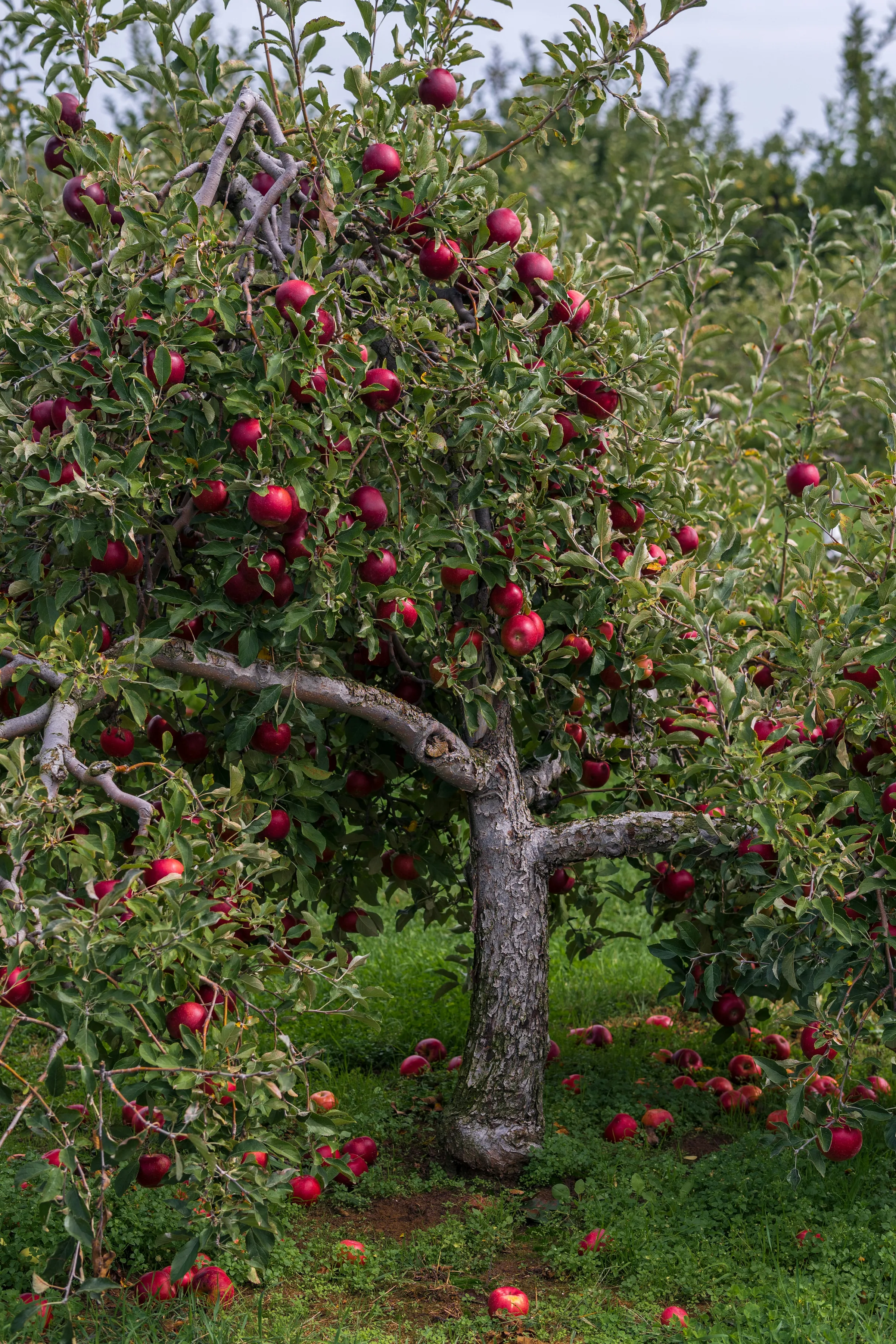
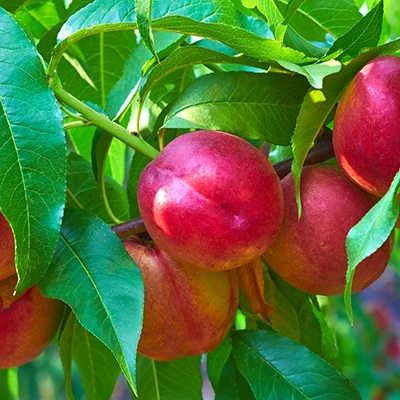
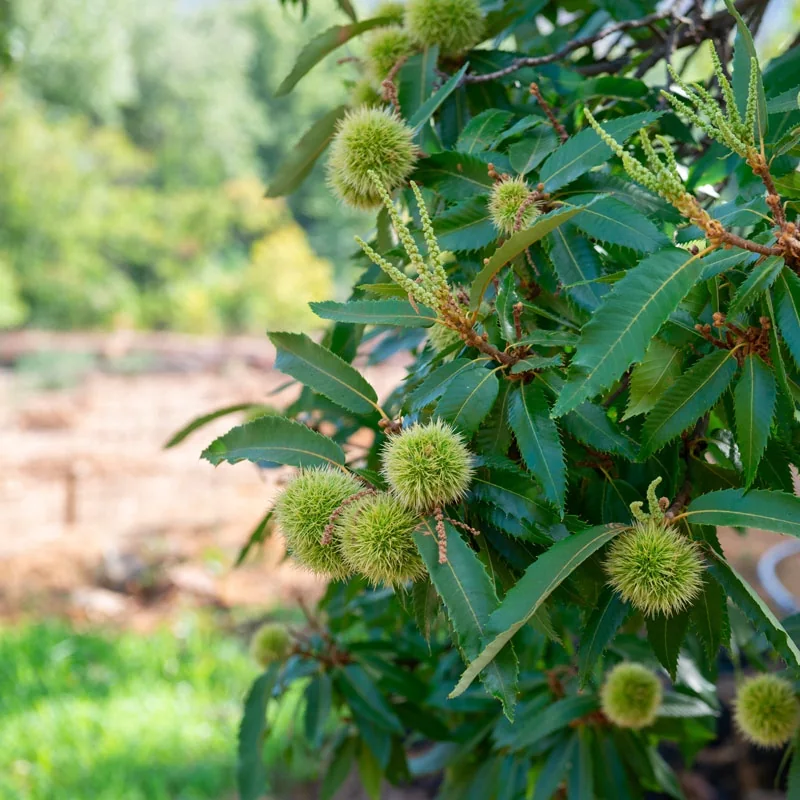
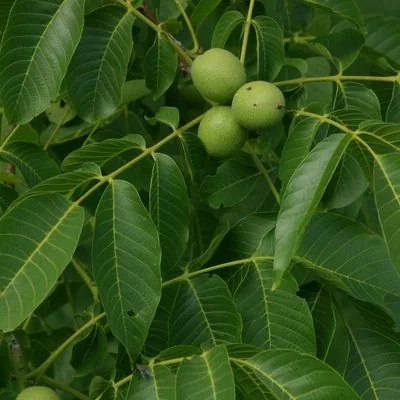
Field-grown and container trees in multiple sizes. Most are available as bare-root in late winter or container-grown spring through fall. Larger field-dug sizes available by arrangement for instant structure.
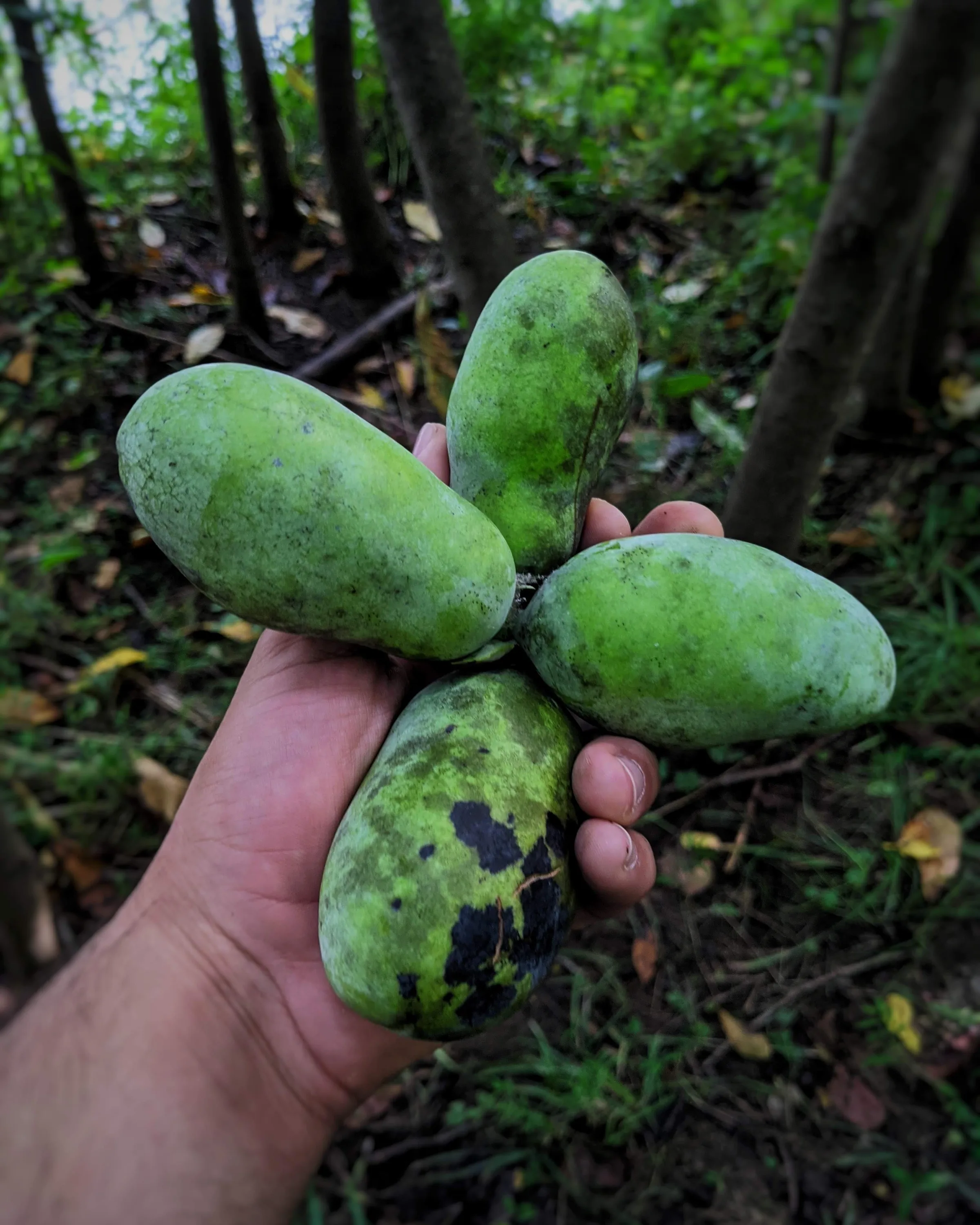
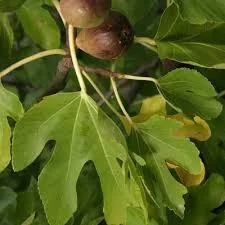
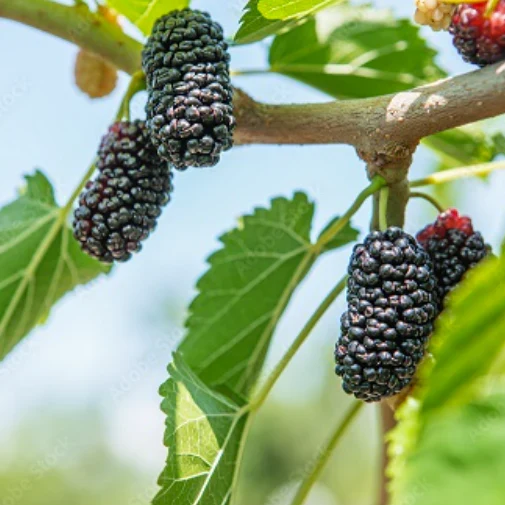
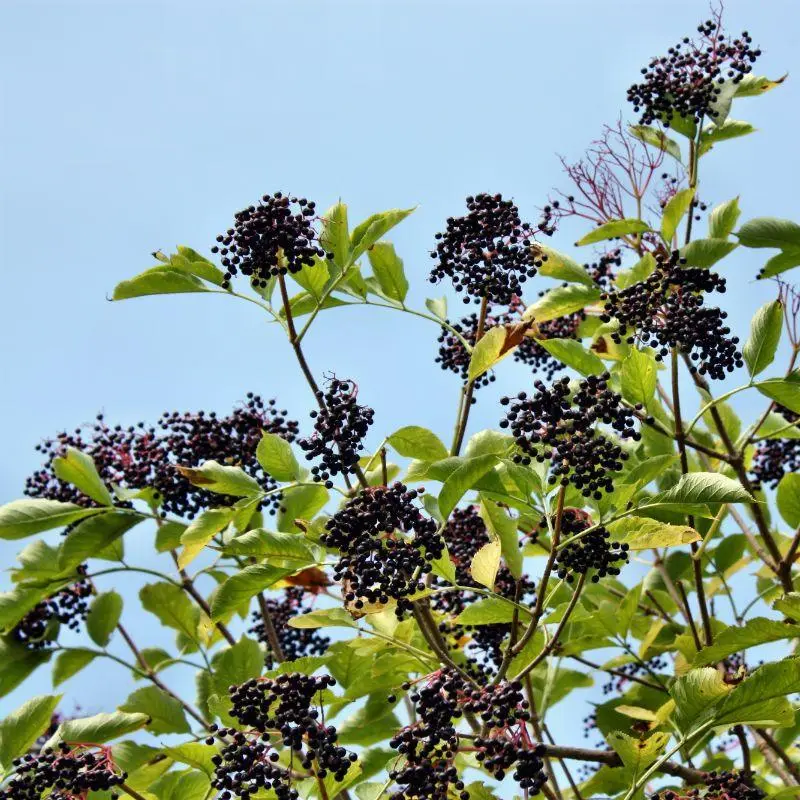
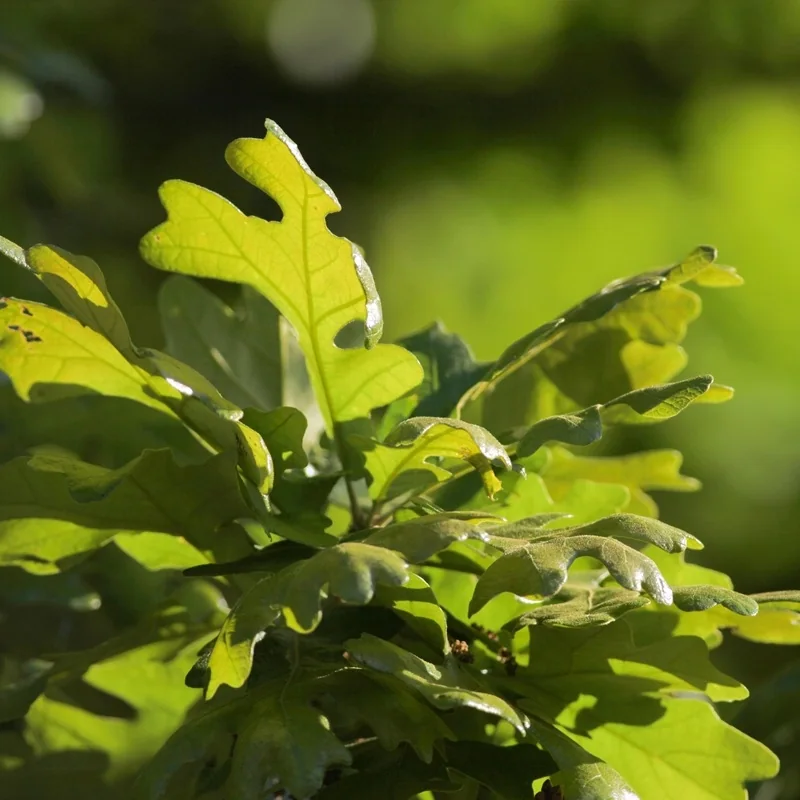
One of the few regional
native pawpaw sources.
Our pawpaws are seed-grown at our nursery in Great Falls from local Potomac stock, which keeps the genetic diversity that makes a native planting resilient. Most nurseries that carry pawpaw sell small whips. We grow ours on until they are large enough to hold their own in a real landscape. Grafting to a named variety is available on request.
Pawpaws require two genetically distinct trees for cross-pollination. Two seedlings from different parents do the job. We sell in pairs and can advise on spacing and microclimate siting to get you to fruit as quickly as possible.
- Native seedlingsAsimina triloba, seed-grown from local Potomac stock. Each tree genetically distinct.
- Landscape sizeGrown on well past the whip stage, so the tree can establish in a real planting.
- Grafted on requestAsk if you want a named variety grafted onto one of our seedlings.
- Current stockStock varies by season. Contact to confirm what is currently available and in what size.
What to know before you buy
Pawpaws need full sun to produce well - dappled shade works for establishment but limits fruit set. They prefer moist, well-drained soil and are not drought-tolerant in the first two years.
Seedling pawpaws take longer to fruit than grafted trees, and each one's fruit is a little different, the way a wild pawpaw patch is. If faster, predictable fruit matters most, ask about grafting.
We recommend planting pairs 15-20 feet apart. We can supply pairs and advise on siting during a consultation or nursery visit.
Field-dug pawpaws are available in limited quantity in late winter before bud break. These are larger specimens - 5-8 feet - for clients who want immediate presence. Contact us directly to reserve.
Inquire about pawpaws →The mid-layer that feeds you first.
Berry shrubs produce within 1-3 years and earn their space in any productive landscape. These are the plants that give you something to harvest while your trees are still getting established.


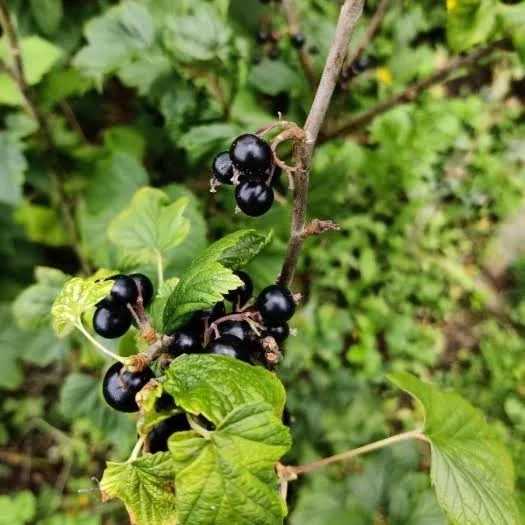

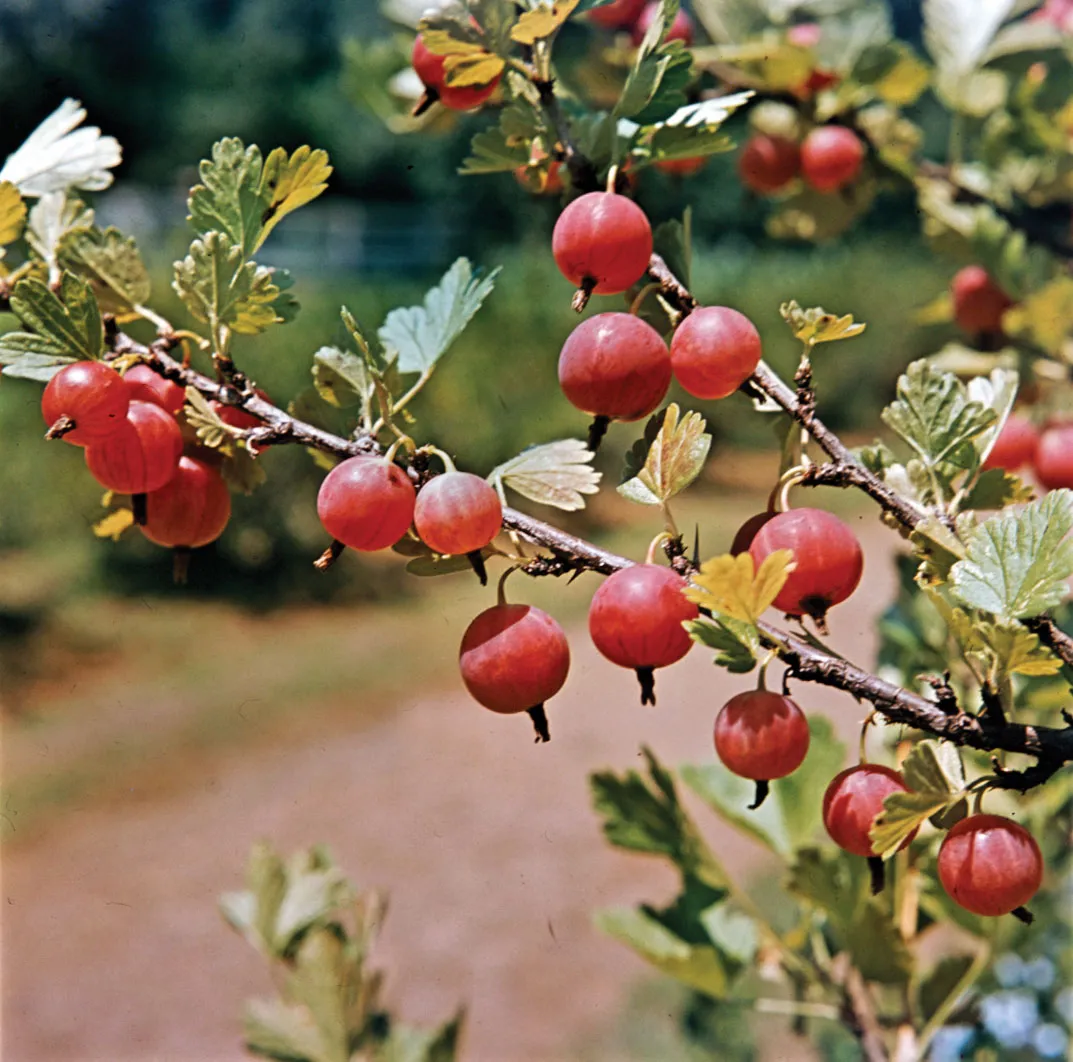
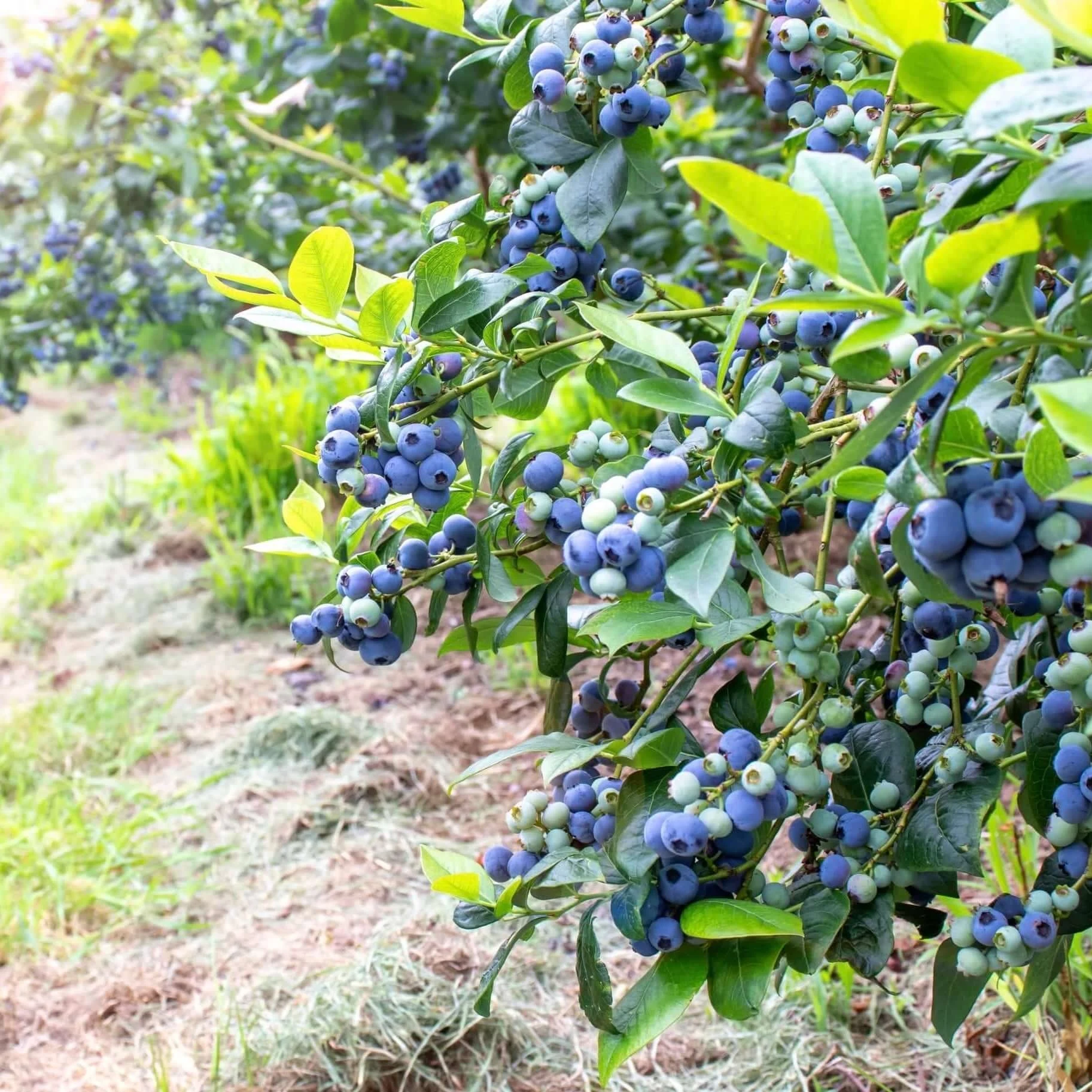
The ground layer. Plant once, harvest always.
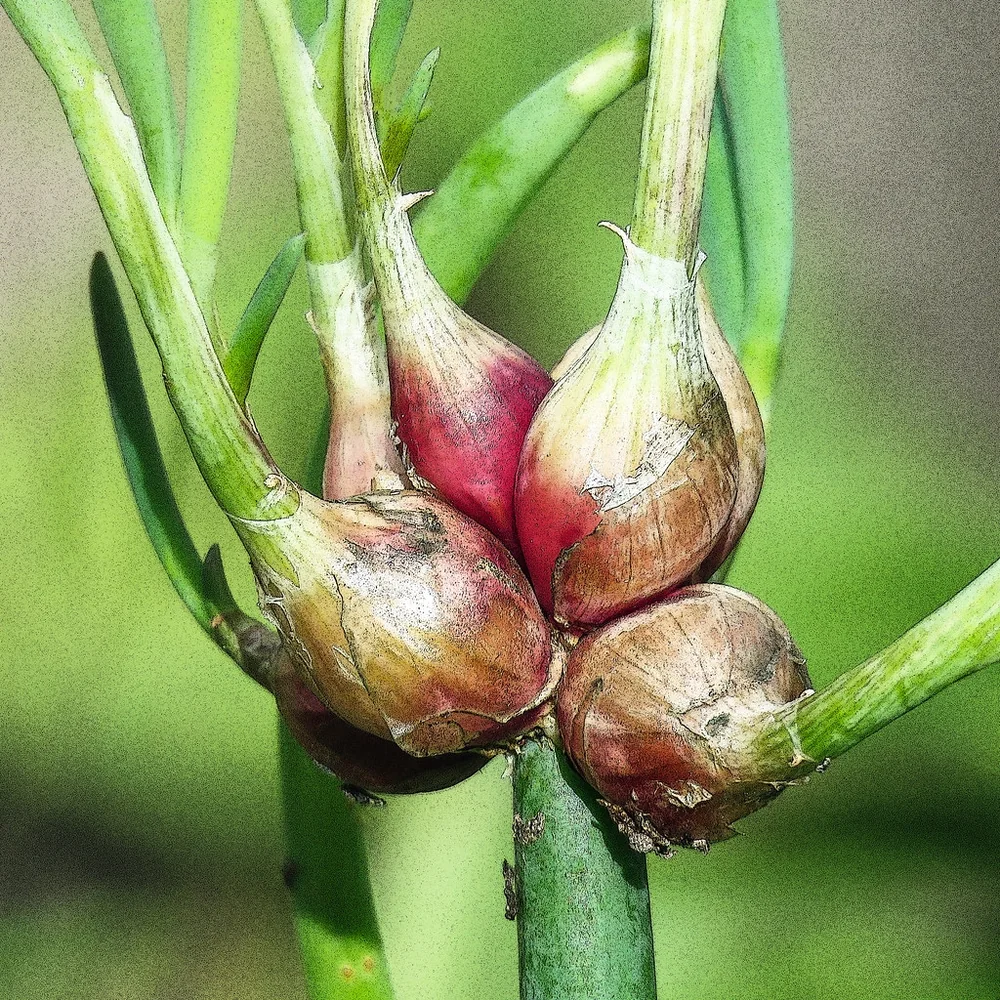
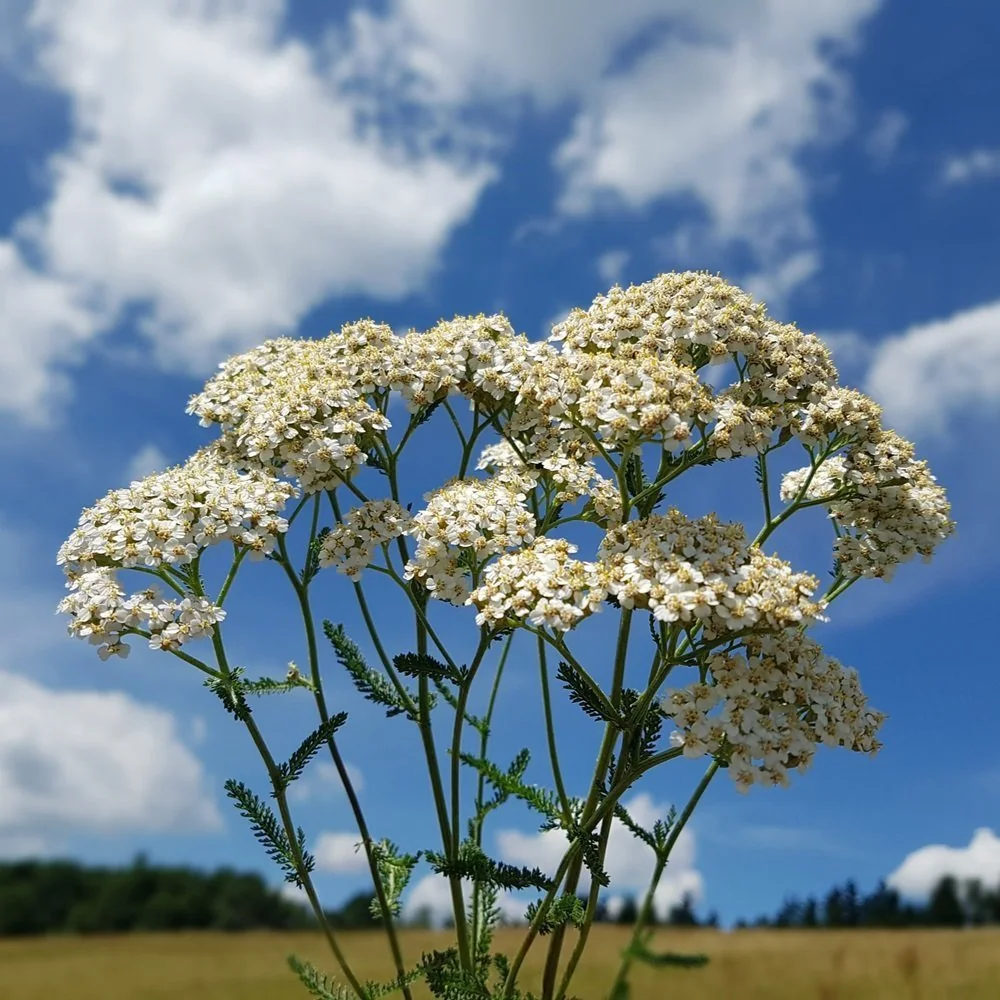
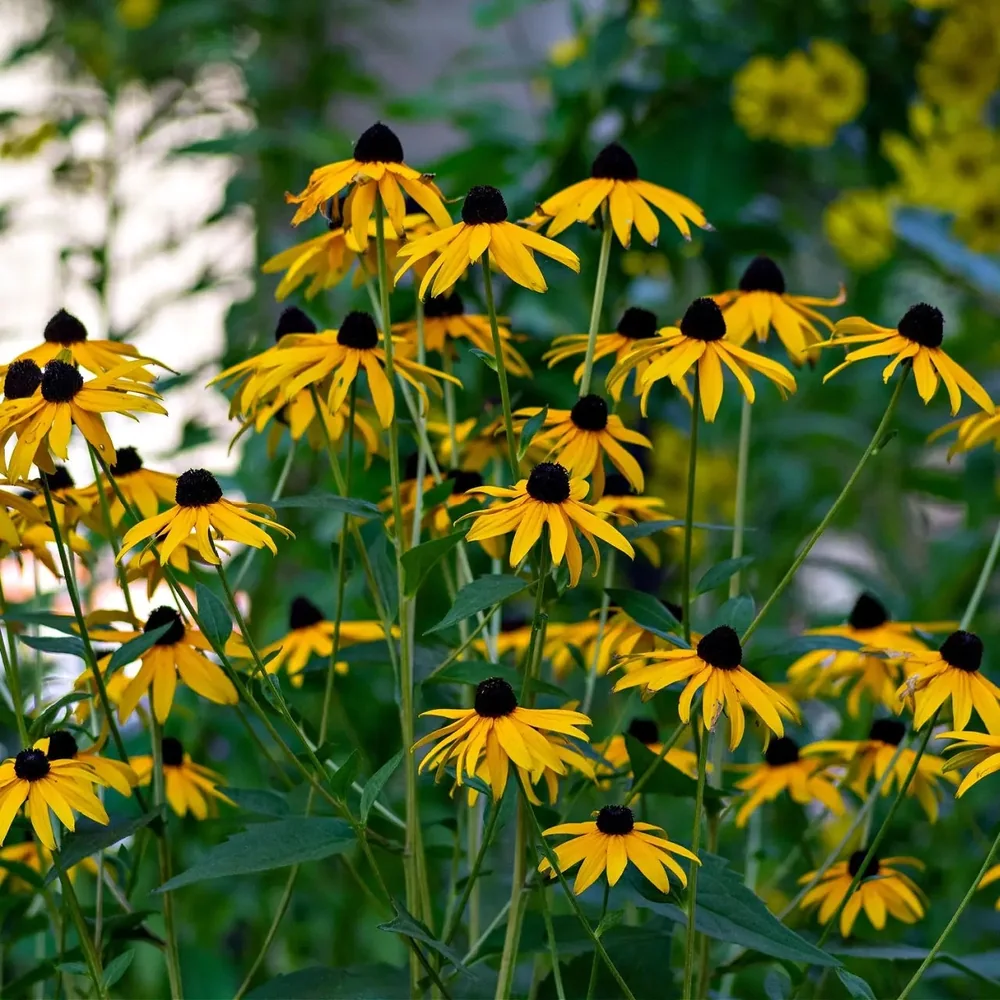
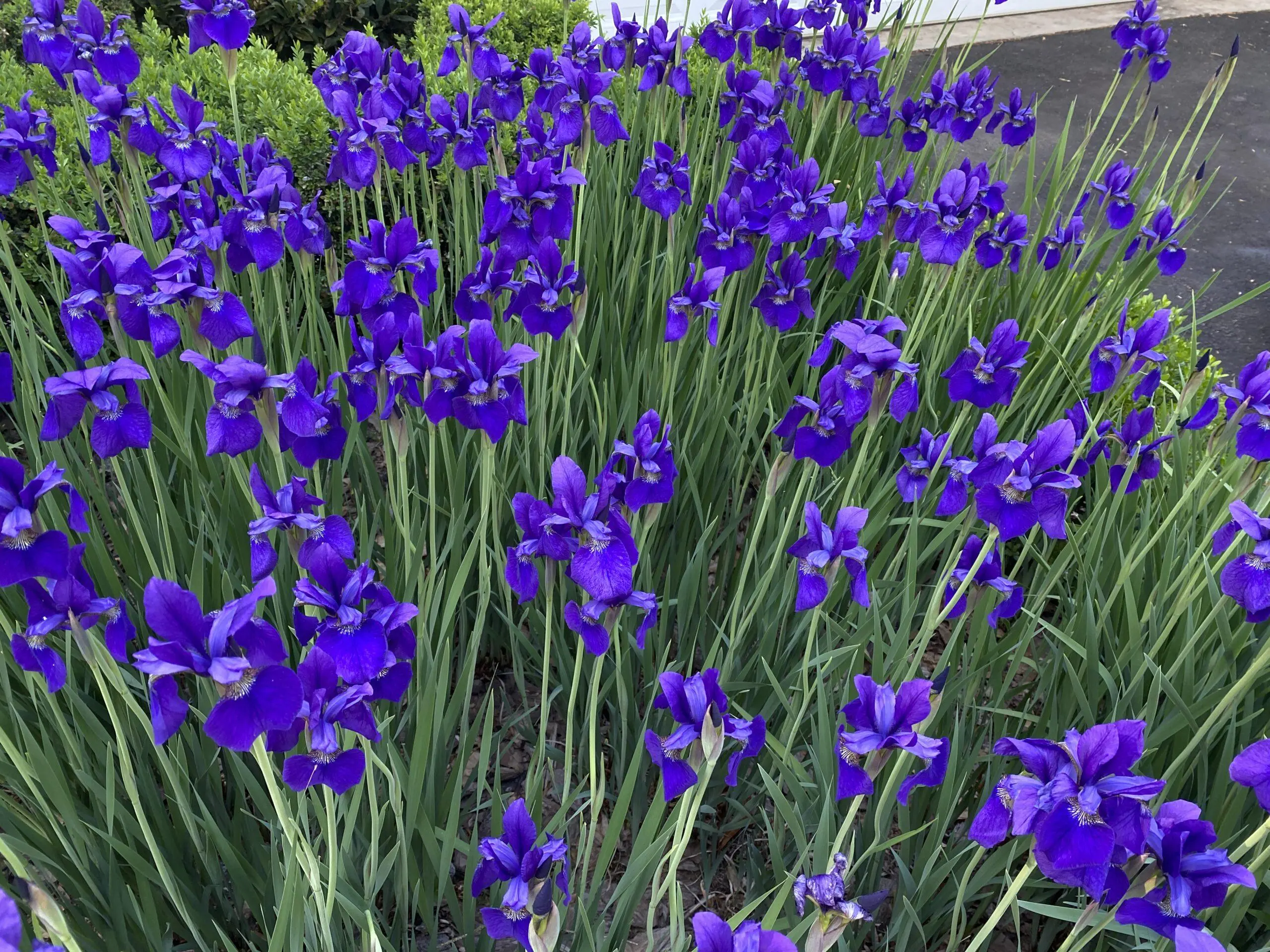
These are the plants that stitch a productive landscape together - filling the understory of orchards, anchoring pollinator pathways, and producing food, medicine, and biomass year after year with no replanting.
For the patient grower.
Hardwood and softwood cuttings available seasonally for experienced growers who want to propagate their own stock. Lower cost, higher involvement. Contact us in late winter for hardwood cutting availability.
Stock is limited and seasonal.
We grow in small batches and sell out of most things by mid-spring. If you have something specific in mind - a quantity, a size, a variety - reach out early and we will tell you what is available and when.
Contact the nursery →We respond to all nursery inquiries within two business days. Pickup by appointment at our Great Falls, VA location.
Three reasons they endure.
Beyond what you can buy.
We plant trees you cannot find at a garden center, grown in our own nursery in Great Falls: seed-grown apples, native pawpaws and mulberries, and uncommon nuts. The orchard becomes a small, quiet preservation project as well as a yield project.
Composed with the property.
Orchards integrated into garden walks, beside ponds, along stone walls. Not relegated to a back corner. The orchard becomes part of the daily landscape rather than a separate utility zone.
Designed to outlive install.
Every orchard ships with a multi-year care guide covering pruning windows, grafting opportunities, replacement protocol, and yield expectations. The owner is set up to steward the orchard properly, not guess at it.
Plant the orchard
your grandchildren eat from.
Begin with a 15-minute discovery call. We will talk about your land, the trees you have always loved, and what could mature on your property over the next quarter century.
Book your discovery call