 Eden & Dane
Blackberry
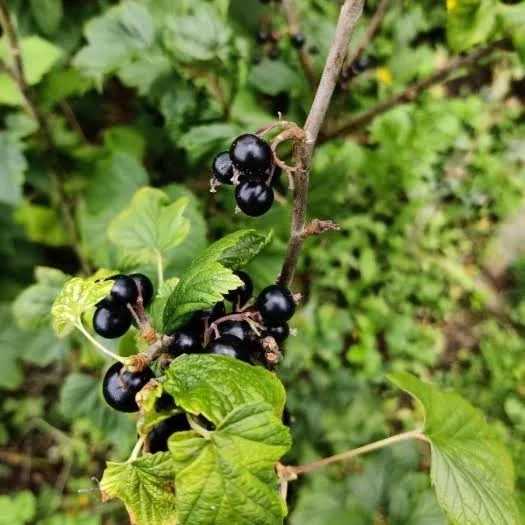
A vigorous native bramble producing heavy midsummer crops of classic sweet-tart blackberries, self-fertile and reliable once established.
Native blackberry is one of the most productive fruiting plants you can put in the ground, often bearing a meaningful harvest by its second year. It grows on biennial canes: first-year canes are vegetative, second-year canes flower and fruit, then die back, which is why an established planting always has a mix of cane ages. Full sun produces the heaviest, sweetest crop.
A simple trellis or fence line keeps the canes upright and the fruit easier to pick, though blackberry will also thrive left to form a natural thicket at a property edge. It is self-fertile, needs no second plant, and once established requires little beyond an annual pruning to remove spent canes and keep the planting contained.
Before you plant.
Planting & Growing Information
Good company
for your blackberry.

The fastest fruit you can
put in the ground.
Allegheny blackberry is the wild blackberry of the Eastern woods and field edges. It is tough, self-fertile and adapted to our soils and summers without any coaxing.
Where a fruit tree asks you to wait years, blackberry often gives a real harvest in its second summer. For a new property, few plants turn bare ground into food faster.
It also earns its keep beyond the fruit: the flowers feed native bees, and a bramble thicket gives nesting cover to songbirds.
- Native stockRubus allegheniensis, the native Eastern blackberry, self-fertile and regionally adapted.
- Rooted cuttingsAn economical way to plant a long row or a hedgerow.
- Container plantsA head start for a smaller planting or a single trellis.
- Current stockInventory varies by season and batch. Contact us to confirm what is available now, and in what size.
What to know before you buy
Blackberry fruits on second-year canes. After harvest, cut those canes to the ground so the new ones have room.
Native blackberry has thorns and can spread by root suckers. Give it a defined bed or a property edge where a little spread is welcome.
A simple two-wire trellis at about 3 and 5 feet keeps canes upright and makes picking much easier.
Full sun gives the heaviest, sweetest crop. In part shade you will still get fruit, just less of it.
What we ship.
Plants ship in the dormant seasons, late fall and early spring, with local pickup in Great Falls. Availability changes by batch, so ask if you need a particular size.

Planting at scale.
We supply landscapers, nurseries, farms and larger residential projects with blackberry in quantity. Stock is seasonal and limited, so get in touch ahead of your planting window and we will plan around your order.
Ask about wholesale →Planning an orchard, guild or garden around this plant? An on-site consult in the DC area starts at $250, a written Remote Strategy at $1,500, or start small with a free guide.