 Eden & Dane
Echinacea
Native prairie perennial that thrives in Virginia summers with zero supplemental water once established - a cornerstone pollinator plant with a medicinal root after year three.
Echinacea earns its place in a productive landscape on three fronts at once: it is genuinely drought-proof once established, it is one of the most reliable native bee and butterfly plants available, and the seed heads left standing through fall and winter feed goldfinches when little else is available.
By the third year, the root system has developed enough to be medicinally useful, the same plant used in commercial echinacea preparations. Deadheading extends bloom, but leaving spent flowers standing through winter is genuinely better for wildlife and costs you nothing in appearance until spring cleanup.
Before you plant.
Planting & Growing Information
Good company
for your echinacea.
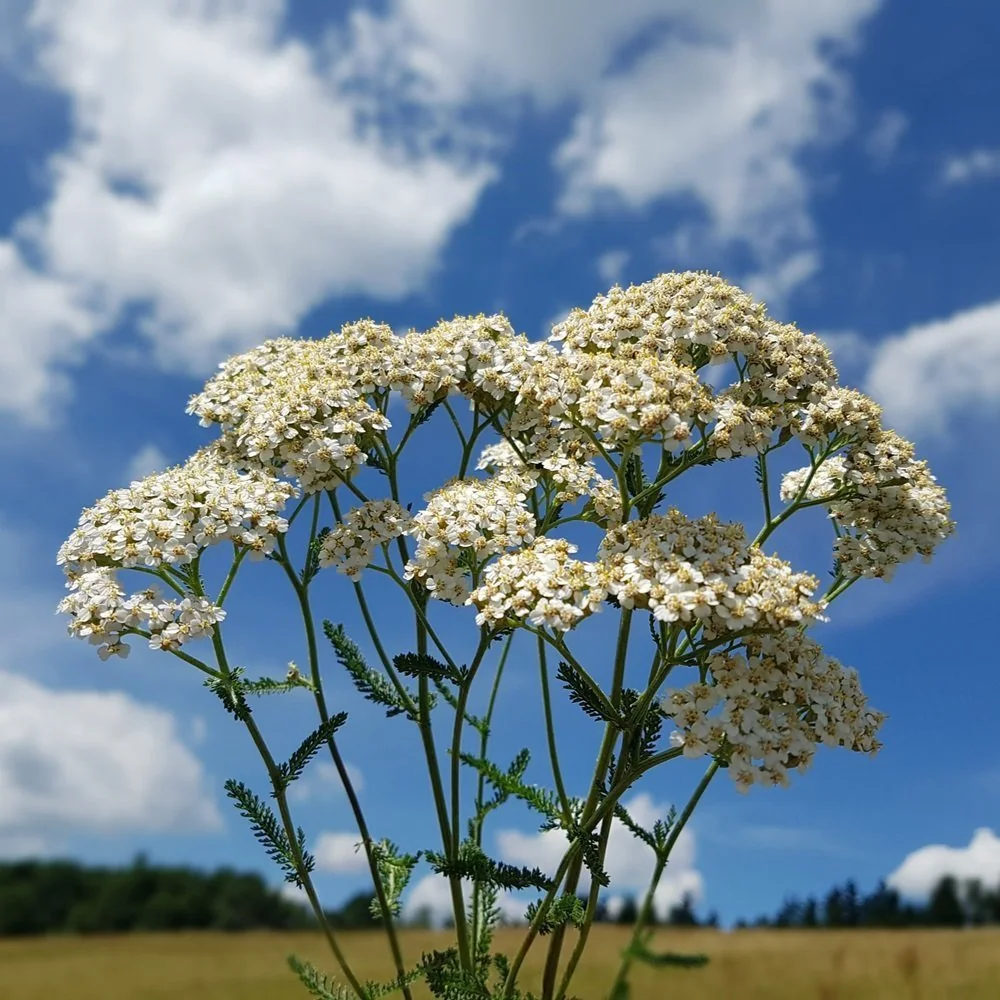
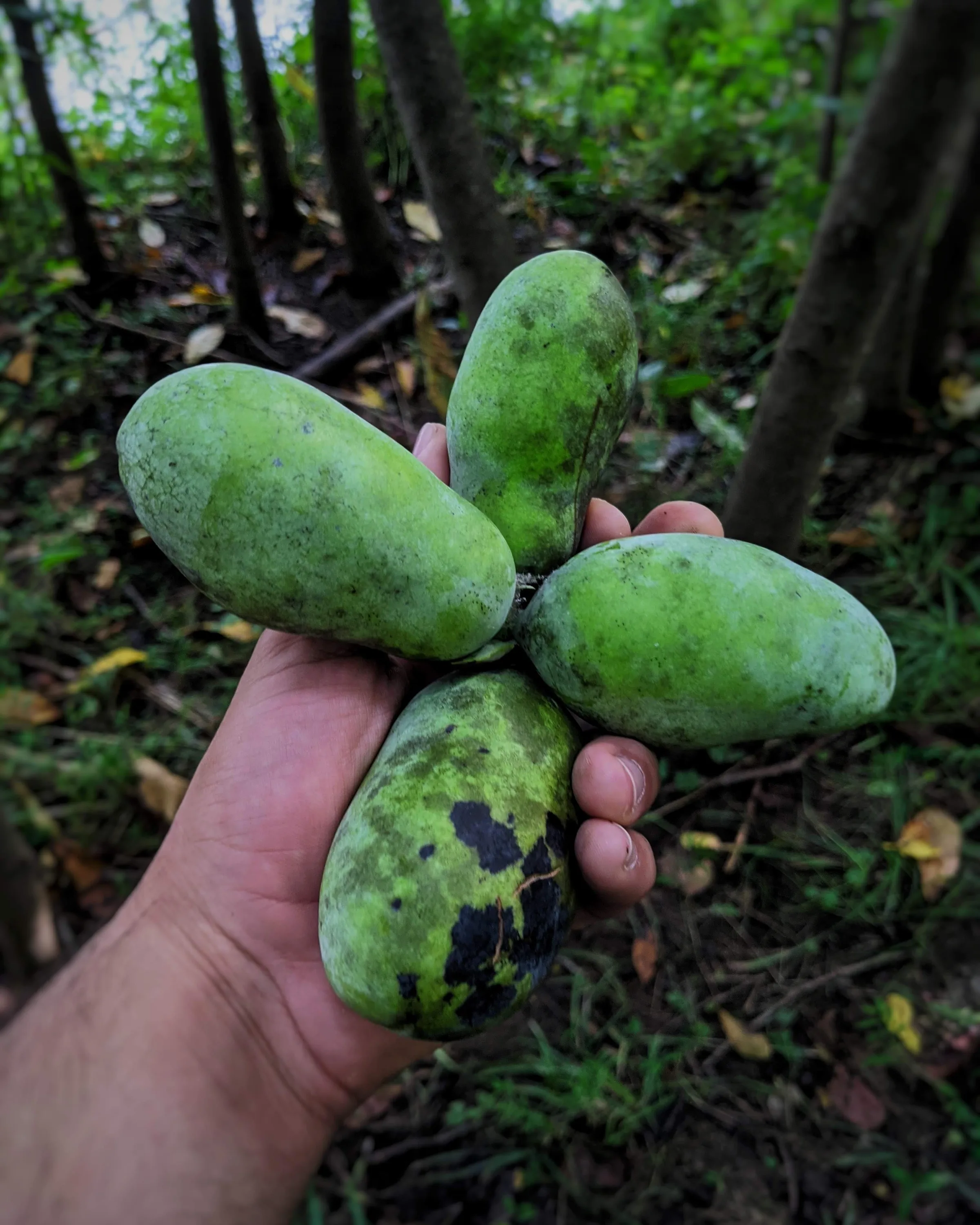

The pollinator plant
that asks for nothing.
Purple coneflower is a native prairie perennial, and one of the most dependable plants in any sunny bed. Once rooted it shrugs off heat, drought and poor soil.
From midsummer to fall it hosts a steady traffic of native bees and butterflies. Leave the seed heads standing, and goldfinches will work them all winter.
We grow the straight species rather than showy double-flowered cultivars, which often offer pollinators less.
- Straight speciesEchinacea purpurea as it grows in the wild, the best choice for pollinators.
- PlugsAn economical way to plant a meadow or a large drift.
- Pots4-inch and 1-gallon plants for beds and borders.
- Current stockInventory varies by season and batch. Contact us to confirm what is available now, and in what size.
What to know before you buy
Plant in full sun and well-drained soil. Rich, wet soil is more likely to kill echinacea than drought is.
Space plants 18 to 24 inches apart. They fill in over two to three years.
Water through the first summer. After that, established plants rarely need it.
If you plan to use the root, wait until year three or later and harvest in fall.
What we ship.
Plants ship in the dormant seasons, late fall and early spring, with local pickup in Great Falls. Availability changes by batch, so ask if you need a particular size.
Planting at scale.
We supply landscapers, nurseries, farms and larger residential projects with echinacea in quantity. Stock is seasonal and limited, so get in touch ahead of your planting window and we will plan around your order.
Ask about wholesale →
Planning an orchard, guild or garden around this plant? An on-site consult in the DC area starts at $250, a written Remote Strategy at $1,500, or start small with a free guide.