 Eden & Dane
Goji Berry
A drought-tolerant, self-fertile shrub that produces for decades with minimal input, and one of the few fruiting plants that genuinely thrives on neglect once established.
Goji berry is native to Asia but has naturalized well across a wide range of North American climates. It is exceptionally forgiving of poor soil, drought, and inconsistent care once its root system is established, usually within the first full growing season. The bright red-orange berries ripen over an extended window from mid-summer into fall, giving repeated small harvests rather than one heavy flush.
Unlike many fruiting shrubs, goji does not require a second plant for pollination. The arching canes benefit from a support or fence line to lean on, since a mature plant can reach 6-8 feet and sprawl if left unstaked. Prune hard in late winter to keep it productive and within bounds.
Before you plant.
Planting & Growing Information
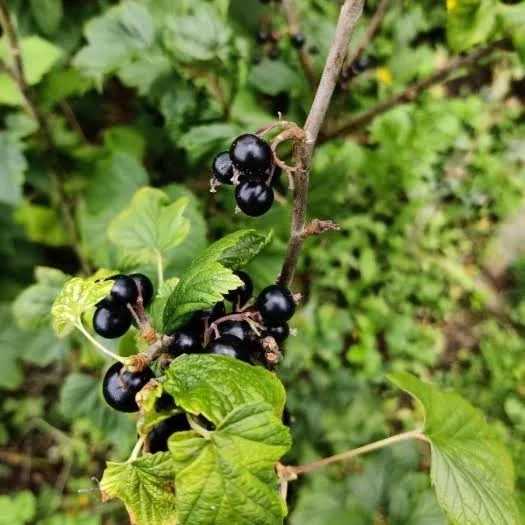
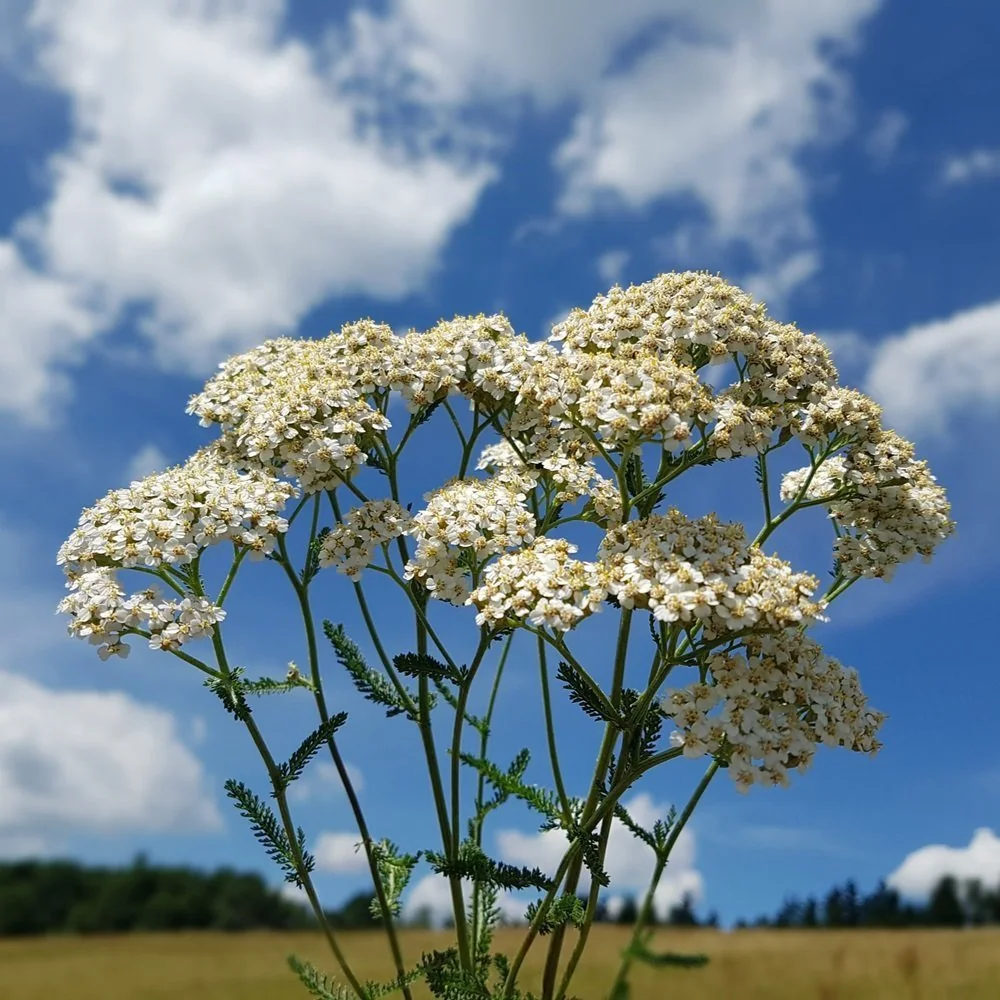
Good company
for your goji berry.

The fruiting shrub
that thrives on neglect.
Goji comes from the dry hills of Asia, and it brings that toughness with it. Once rooted, it handles drought, poor soil and heat that would stress most fruit plants.
The small red berries ripen in waves from midsummer to frost, so one plant gives many small harvests. They are sweet-tart and slightly savory fresh, and keep well dried.
Goji is self-fertile and long-lived, and a good fit for a sunny, dry corner.
- Self-fertile stockOne plant fruits on its own; two extend the harvest.
- Rooted cuttingsAn inexpensive start that establishes in one season.
- Container plantsFor a quicker first harvest.
- Current stockInventory varies by season and batch. Contact us to confirm what is available now, and in what size.
What to know before you buy
Plant in full sun and well-drained soil. Rich, wet soil gives leaves at the expense of fruit.
Expect the first real crop in the second year, and full production by year three.
Goji is thorny and its long canes sprawl. Tie them to a fence or trellis.
Prune hard in late winter, cutting back last year's growth to keep the plant productive and tidy.
What we ship.
Plants ship in the dormant seasons, late fall and early spring, with local pickup in Great Falls. Availability changes by batch, so ask if you need a particular size.

Planting at scale.
We supply landscapers, nurseries, farms and larger residential projects with goji berry in quantity. Stock is seasonal and limited, so get in touch ahead of your planting window and we will plan around your order.
Ask about wholesale →Planning an orchard, guild or garden around this plant? An on-site consult in the DC area starts at $250, a written Remote Strategy at $1,500, or start small with a free guide.