 Eden & Dane
Comfrey Bocking 14
The permaculture workhorse. A sterile comfrey that stays where you plant it and grows back every time you cut it.
Comfrey is one of the most useful plants in a productive landscape. Its deep roots pull nutrients from the subsoil into large leaves that you cut and drop as mulch, add to compost, or steep into a liquid fertilizer.
Bocking 14 is a Russian comfrey selected in England for exactly this use. It is sterile, so it does not self-seed across the garden the way common comfrey can.
In an orchard guild, a ring of comfrey around a young fruit tree gives a steady supply of mulch right where the tree needs it, and its flowers feed bumblebees from spring into summer.
Before you plant.
Planting & Growing Information
Good company
for your comfrey bocking 14.
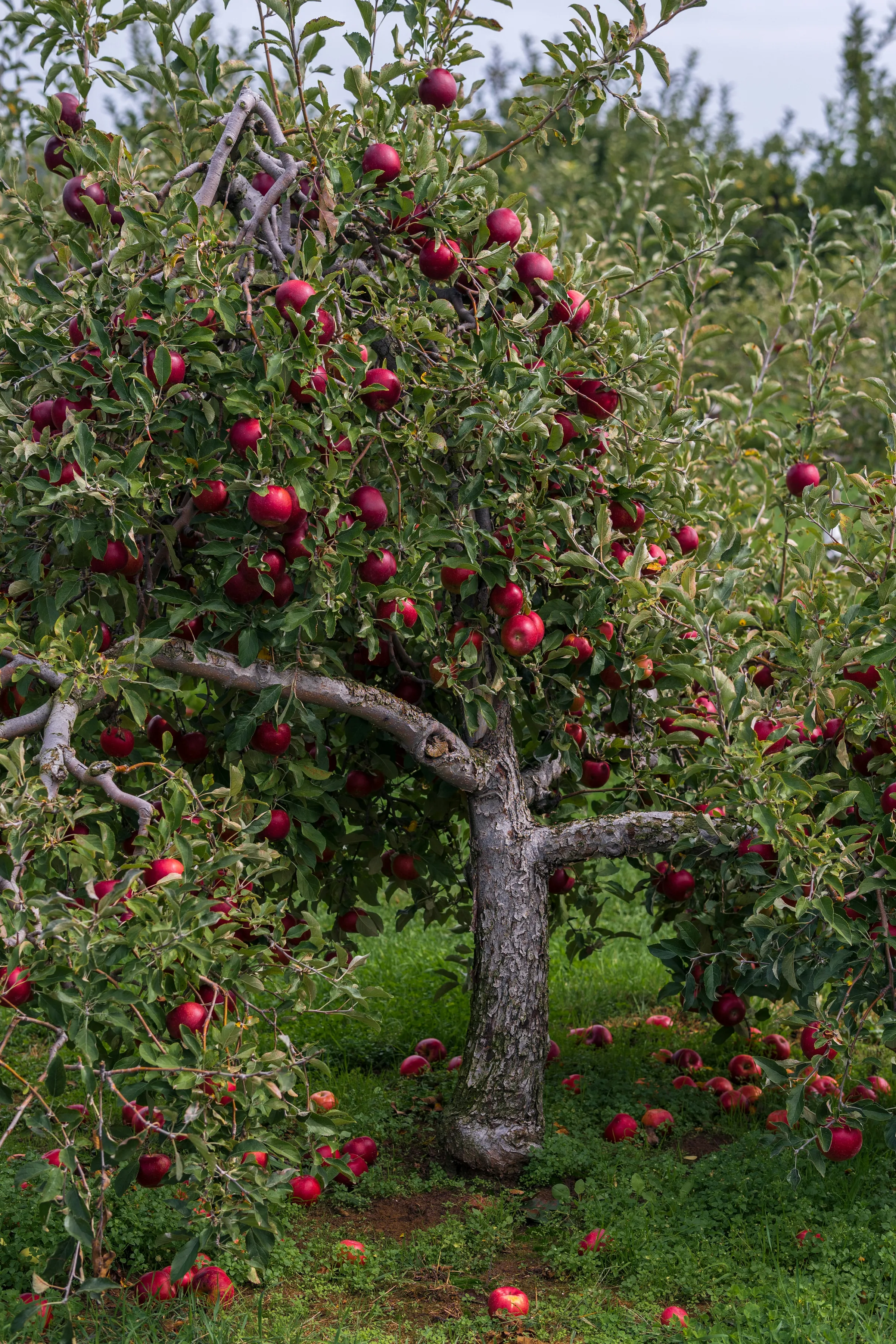
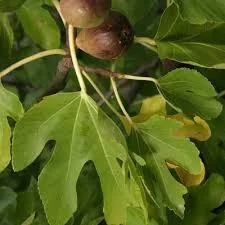
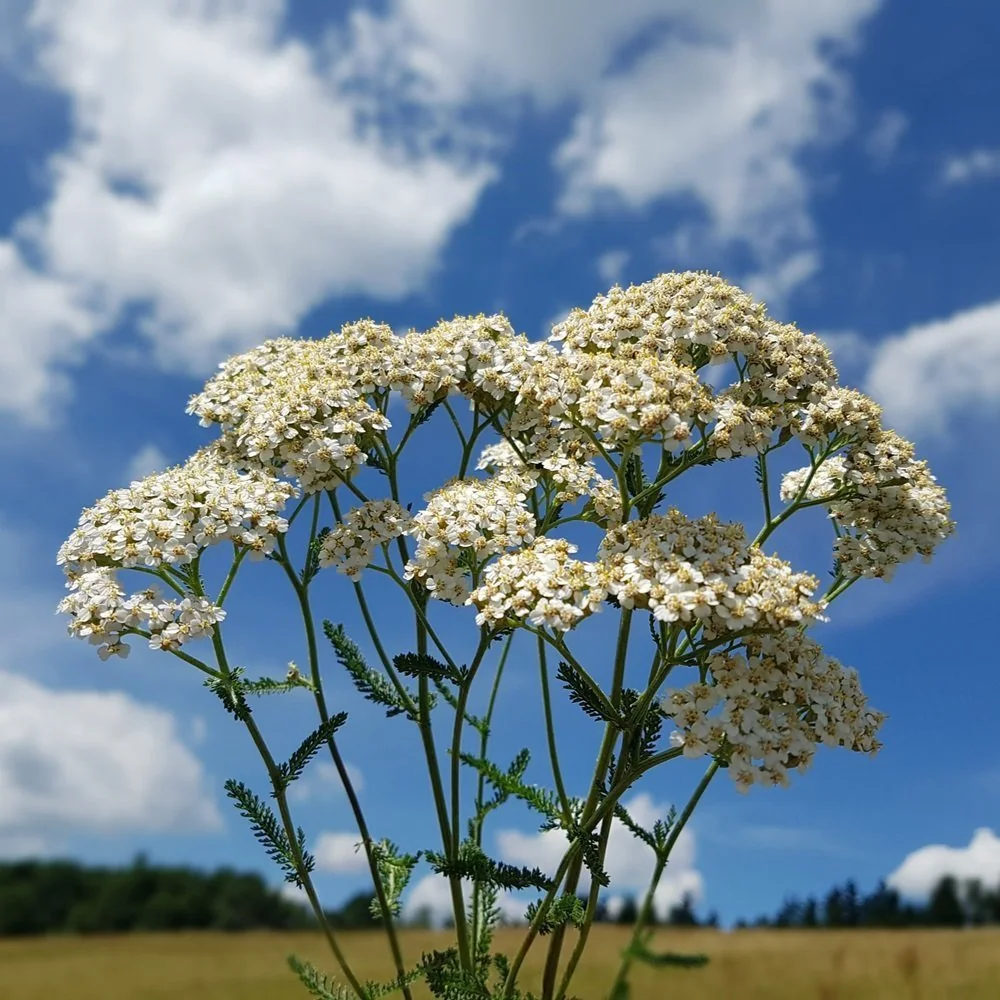
A mulch and fertilizer
factory you plant once.
Every productive landscape needs organic matter, and comfrey makes it on site. A mature plant can be cut to the ground several times a season and will regrow each time.
Choosing Bocking 14 matters. Common comfrey sets seed and can become a weed; Bocking 14 is sterile and stays put.
It is the plant we reach for most often when designing orchard guilds.
- Root cuttingsThe standard way to start comfrey. Each piece grows into a plant.
- Container plantsA head start, already rooted.
- Current stockInventory varies by season and batch. Contact us to confirm what is available now, and in what size.
What to know before you buy
Choose the spot carefully. Comfrey is very hard to remove once established.
Plant root cuttings horizontally about 2 inches deep, 2 to 3 feet apart.
Do not harvest heavily the first year while the roots establish.
Wear gloves when cutting; the leaves are bristly and can irritate skin.
What we ship.
Plants ship in the dormant seasons, late fall and early spring, with local pickup in Great Falls. Availability changes by batch, so ask if you need a particular size.

Planting at scale.
We supply landscapers, nurseries, farms and larger residential projects with comfrey bocking 14 in quantity. Stock is seasonal and limited, so get in touch ahead of your planting window and we will plan around your order.
Ask about wholesale →Planning an orchard, guild or garden around this plant? An on-site consult in the DC area starts at $250, a written Remote Strategy at $1,500, or start small with a free guide.