 Eden & Dane
Oak Tree
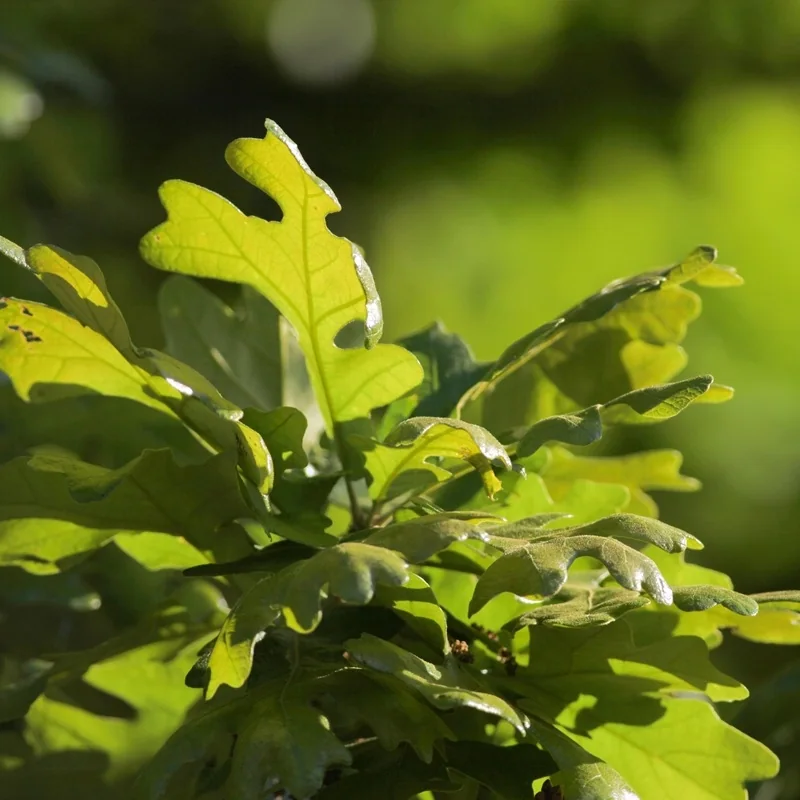
Native oak species selected for regional adaptability - the single most valuable tree genus for wildlife support in the Eastern United States, and a genuine multi-generational planting.
No native tree genus supports more wildlife species than oak. A mature oak can host hundreds of species of caterpillars alone, the base of the food web that feeds nesting songbirds. Beyond wildlife value, oak is simply one of the most durable, long-lived shade trees available for a property planning to still look intentional in fifty years.
We select native species adapted to regional conditions rather than ornamental cultivars bred primarily for fall color or form. The tradeoff is patience - oak grows more slowly than many landscape trees - but what you get in return is a tree built to genuinely last, structurally and ecologically.
Before you plant.
Planting & Growing Information
Good company
for your oak tree.
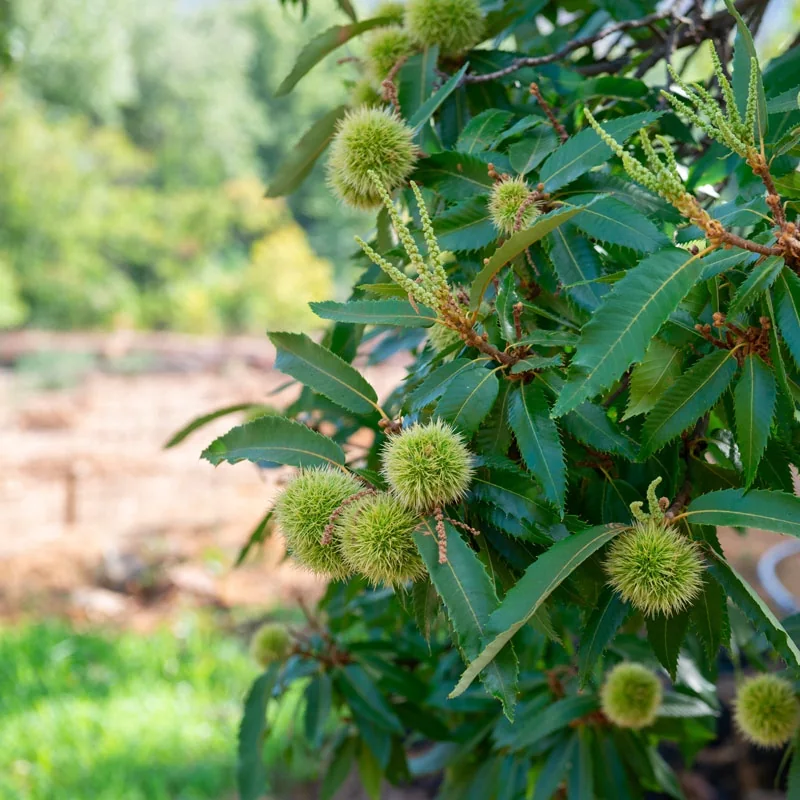
The tree that
feeds the whole food web.
Entomologist Doug Tallamy's research found that oaks support more species of caterpillars than any other genus of tree in North America, more than 500 in the Mid-Atlantic. Those caterpillars are what songbirds feed their young.
An oak is also one of the best investments a property can make in long-term shade and structure. A healthy oak can live for centuries.
We grow native species suited to the region, matched to your soil: upland oaks for dry, well-drained ground and bottomland oaks for wetter sites.
- Upland speciesOaks such as white oak and northern red oak, for well-drained sites.
- Bottomland speciesOaks such as swamp white oak and pin oak, for wetter ground.
- Field-grown treesLarger specimens by arrangement, for instant presence.
- Current stockInventory varies by season and batch. Contact us to confirm what is available now, and in what size.
What to know before you buy
Young oaks put their energy into roots first. Expect slow top growth for the first few years, then steady progress.
Protect the trunk from deer rubbing and mowers with a tree guard for the first several years.
Plant it where it can reach its full size, well away from buildings and overhead lines.
Leave the leaf litter under an oak where you can. Many of the insects it supports finish their life cycle in the leaves below.
What we ship.
Plants ship in the dormant seasons, late fall and early spring, with local pickup in Great Falls. Availability changes by batch, so ask if you need a particular size.
Planting at scale.
We supply landscapers, nurseries, farms and larger residential projects with oak tree in quantity. Stock is seasonal and limited, so get in touch ahead of your planting window and we will plan around your order.
Ask about wholesale →
Planning an orchard, guild or garden around this plant? An on-site consult in the DC area starts at $250, a written Remote Strategy at $1,500, or start small with a free guide.